THE MOST EXCITING DEVELOPMENT I’VE SEEN IN NEW ZEALAND HOSPITALITY RECENTLY.
DOMINIQUE FOURIE MCMILLAN / Loretta, Floriditas, Wellington, Kitchen Days
The rise of the specialist barista as a true hospitality professional. Driven by barista competitions and latte-art events and supported by companies such as Acme, we’re seeing a renewed focus on the true craft of coffee-making. This raises industry standards and helps diners gain a deeper respect for the skill, artistry, and cost behind speciality coffee.
MATT LAMBERT / Return, Auckland
Easily the Michelin Guide coming to New Zealand. It is an excellent barometer for chefs and their careers and will ultimately drive standards higher, especially for younger chefs. For me, the fact they are anonymous is really important – that way I will treat every single customer as if they are an inspector, so standards are maintained. It creates an environment of both consistency and excellence.
LIAM KELLEHER / Lillies, Christchurch & Lele Wine
I think people in New Zealand are finally doing what they want to do – they’re doing what they believe in rather than cooking things they think people want. We have stopped imitating other countries and a real sense of New Zealand food identity is now emerging. Someone at the forefront of that right now is Conor Mertens at Elephant Hill where he is doing stuff that he knows and which he believes in. You can feel that kind of intention in food, people doing it because they love it and understand it.
CONOR MERTENS / Elephant Hill, Hawke’s Bay
For me, the availability of speciality ingredients in New Zealand and seeing restaurants and chefs use them in simple and considered ways. Things such as the peppercorns from Ju and Lisa’s Pepper Garden, or Sake Zenkuro in Queenstown. I see a lot of restaurants and bars taking great produce and just cooking it well or dressing it simply and that’s so great. It showcases both the cook, the producer and respect for the ingredient itself.
DOMINIQUE FOURIE MCMILLAN LORETTA & FLORIDITAS, WELLINGTON, KITCHEN DAYS
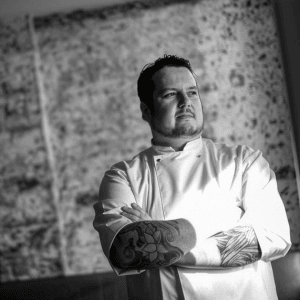
MATT LAMBERT RETURN, AUCKLAND
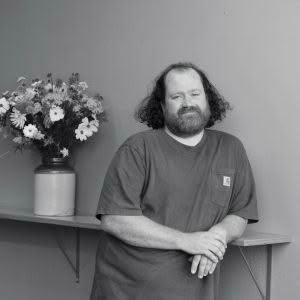
LIAM KELLEHER, LILLIES, CHRISTCHURCH
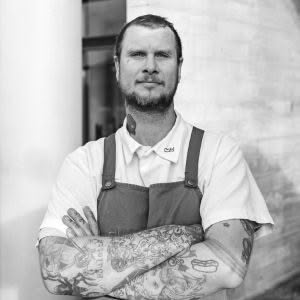
CONOR MERTENS, ELEPHANT HILL, HAWKE’S BAY
A PIECE OF ADVICE I WOULD GIVE A YOUNG CHEF STARTING NOW.
DOM / Never underestimate the power of your network, and build it with intention. Introduce yourself to those who inspire you and build real relationships across the industry. As Danny Meyer says, “Collect the dots so you can connect the dots.” Networking may be a lost art, but it’s insanely powerful for career growth.
MATT / The work is the reward. Don’t focus on outcomes or results, focus on the task at hand. Be prepared to give more than is asked of you – this profession is in service to others. The chances of becoming rich from cooking are slim, so you have to enjoy the act of cooking and the time it takes. It’s a never-ending journey of learning and developing, so take your time and enjoy your journey.
LIAM / My answer is twofold. Firstly, young chefs need to stay humble. They need to turn up early, they need to be there first. I know that feels old school and it feels like the kind of thing we’re trying to move away from, but I don’t actually think it is. Show that you’re really keen by just putting your hand up and doing the work. Taste everything, be curious. Don’t get ahead of yourself. In Europe, we were seeing a lot of people work at a couple of places and then they’re head chef. That’s not really how it works. Secondly, learn the business. Be really attentive in terms of your cooking, but I think learning the business early will do a hell of a lot of good in the long term. Understand gross profits, markups and food costs. Understand what repercussions these have on the business.
CONOR / Put your head down and learn the fundamentals. Not just cooking, but how to set up a section, how to organise a chiller, how to manage a prep list, how to work clean. If you can make all these things second nature then when you grow and develop, creativity will be so much easier to turn into great food.
THE BIGGEST CHALLENGE WE DON’T TALK ABOUT ENOUGH IN HOSPITALITY.
DOM / I’ll call it the ‘casualisation of commitment’. It’s not just a question of staff shortages, it’s about alignment: finding people who choose hospitality as a long- term career. How do we make service a compelling, respected profession? I think about this every day. Hospitality will always draw a younger, transient workforce, but how do we instill lasting stability, professionalism and real career progression within that fluid model?
MATT / Diversity of ingredients and the lack of availability [in New Zealand] from things as basic as a variety of herbs, to birds, offal and vegetables. There are only a handful of suppliers and they can really only offer chefs the same kind of produce you can find in the supermarket. For example, in America I used different-flavoured peppercorns, and they excited me and informed my cookery, but here they simply aren’t widely available.
LIAM / I don’t think we talk about owner hardship enough. I don’t want to suggest working in hospitality is the hardest job out there, but you have people that are passionate about food or wine and now they have to deal with compliance and payroll. They’ve probably got personal guarantees on everything and they are forcing themselves to master these other skills. It’s a massive weight.
CONOR / The cost of goods versus what people are willing to pay for food at a restaurant. It’s a constant challenge to use quality ingredients and charge accordingly so everybody is paid fairly for their work (including the producer) and also make food affordable and accessible enough to keep the doors open. Also finding junior front-of-house staff who see hospitality as a career instead of a just a part-time job. It’s the most important part of the restaurant, but is seen as something to do before you start your real job.
THE THING(S) THAT KEEPS ME OPTIMISTIC ABOUT HOSPITALITY IN AOTEAROA.
DOM / The agility of young operators and their willingness to pivot, reinvest and back themselves in new pursuits. Two examples are Williams Eatery evolving into the iconic Bowler, and Forest’s temporary shift to a dessert and small-plates bar. These are huge moves that take guts. But the best operators are constantly reviewing and learning and, importantly, they’re staying in the game. The industry keeps all that skill and experience, and gets to experience it in a different way.
MATT / We are developing, potentially, in the most exciting phase of our culinary existence, second only to tomorrow. Our cuisine is young, the potential is endless and people now have the courage to put forth their own perspectives on food and label it as New Zealand. The general skill level has improved so much over the last 10-15 years. My peers have done an incredible job of leaving the next generation in a better position to excel. There are untold opportunities for everyone to tell their stories, sharing their own versions of hospitality.
LIAM / Collaborative hospitality – people coming together and doing things together in ways from which we can benefit both financially but also emotionally. I just love all the pop-ups that we’ve done at Lillies. Too often we think of other restaurants as competition, but we’re going to do so much better if we think of other restaurants as allies.
CONOR / Seeing our country come into its own sense of place on a plate, from fine dining to casual eats. You can really feel Aotearoa starting to have a voice from a culinary standpoint and that’s super cool.
Bowler bowlerbowler.com
Forest forestrestaurant.co.nz
Ju and Lisa’s Pepper Garden @julisapeppergarden
Sake Zenkuro zenkuro.co.nz
SEE MORE FROM CUISINE
50 Years Of Sky High Hospitality
From caviar to conscious dining, Singapore Airlines celebrates half a…