In New Zealand we call it kina and it can divide a room faster than politics. Elsewhere it’s sea urchin, or uni if you’re eating it in Tokyo, Los Angeles or a polished Sydney bar. Here, it’s something else entirely: it’s childhood on the rocks; it’s a battered screwdriver and a flat stone; it’s salt spray, spines and orange tongues scooped straight from the shell and eaten standing up.
Kina is not subtle. The first time you properly taste it, it can feel like being tipped headfirst into the ocean. Iodine. Iron. Sweetness. A kind of marine custard that dissolves almost before you’ve worked out whether you like it. It’s creamy without dairy, sweet without sugar, and carries that deep, low bass note of the sea floor itself. For some it’s transcendent. For others it’s an acquired taste they never quite acquire.
I’ve always loved it. Not because it’s refined – it most definitely isn’t – but because it’s honest. Kina tastes exactly of where it comes from: rocky coastlines, clean water, kelp forests waving in a tidal surge. When it’s good, it’s astonishing. When it’s not, it’s unforgiving. There’s no sauce clever enough to disguise poor kina, as the sea will always have the last word.
In Japan, uni is treated with a kind of reverence and handled like something precious. The texture is everything, with its plump lobes, intact and glossy, sitting on rice like a golden sunset. Here, we’ve historically been more pragmatic. Crack it, eat it, move on. But I think we’re starting to understand that kina, like so many of our kaimoana, deserves both respect and restraint.
It is also one of the most sustainable seafood stories we have. In many parts of the country kina populations have exploded, stripping reefs of kelp and creating what are known as kina barrens, underwater deserts where very little else survives. Removing kina, and eating it, is not only delicious, it can be restorative. There’s something satisfying about that – indulgence aligned with ecology.
Still, I understand why kina can intimidate people. The spines alone are enough to make the uninitiated step back. The flavour is bold and unapologetic. It asks something of you.
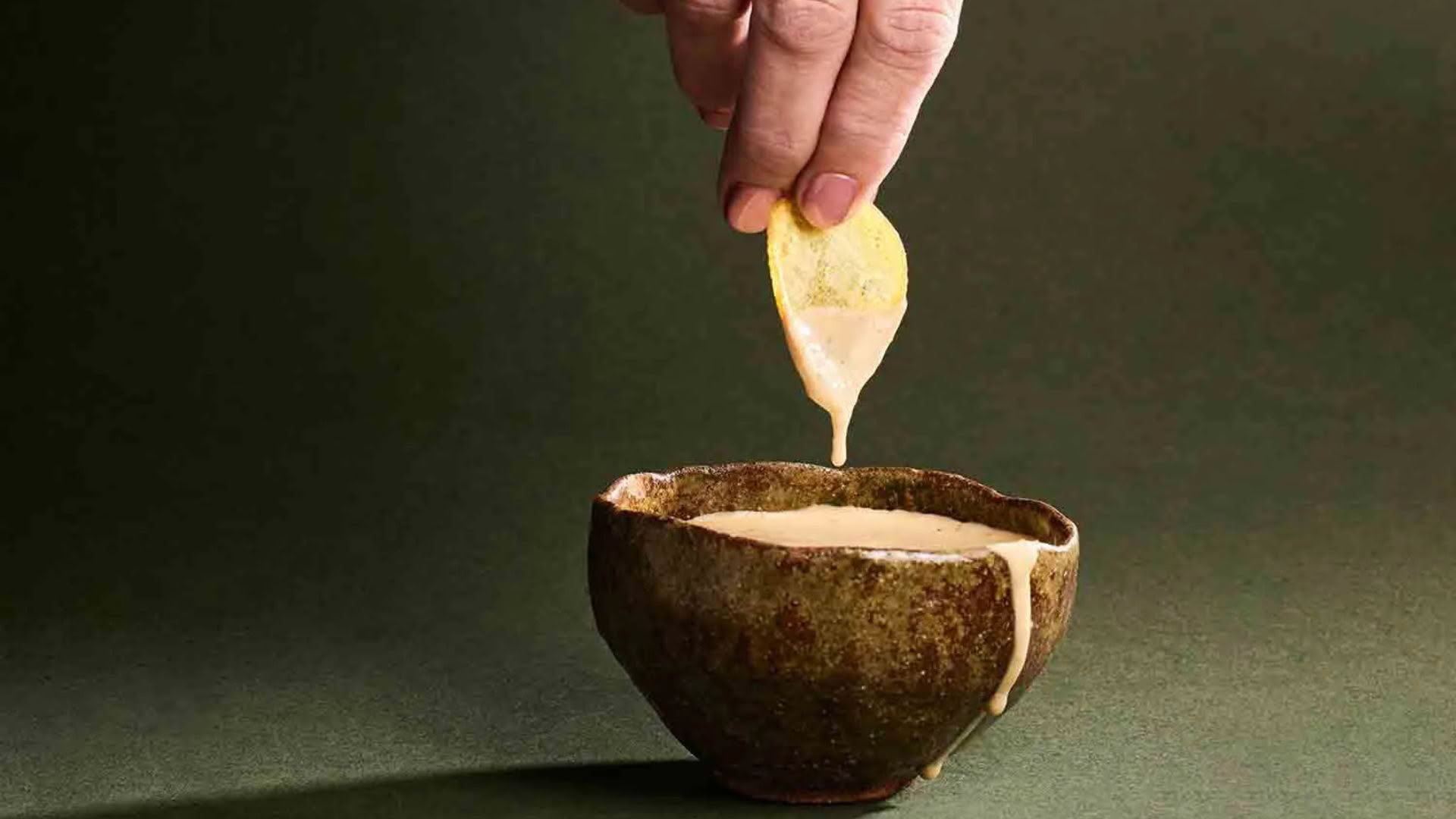
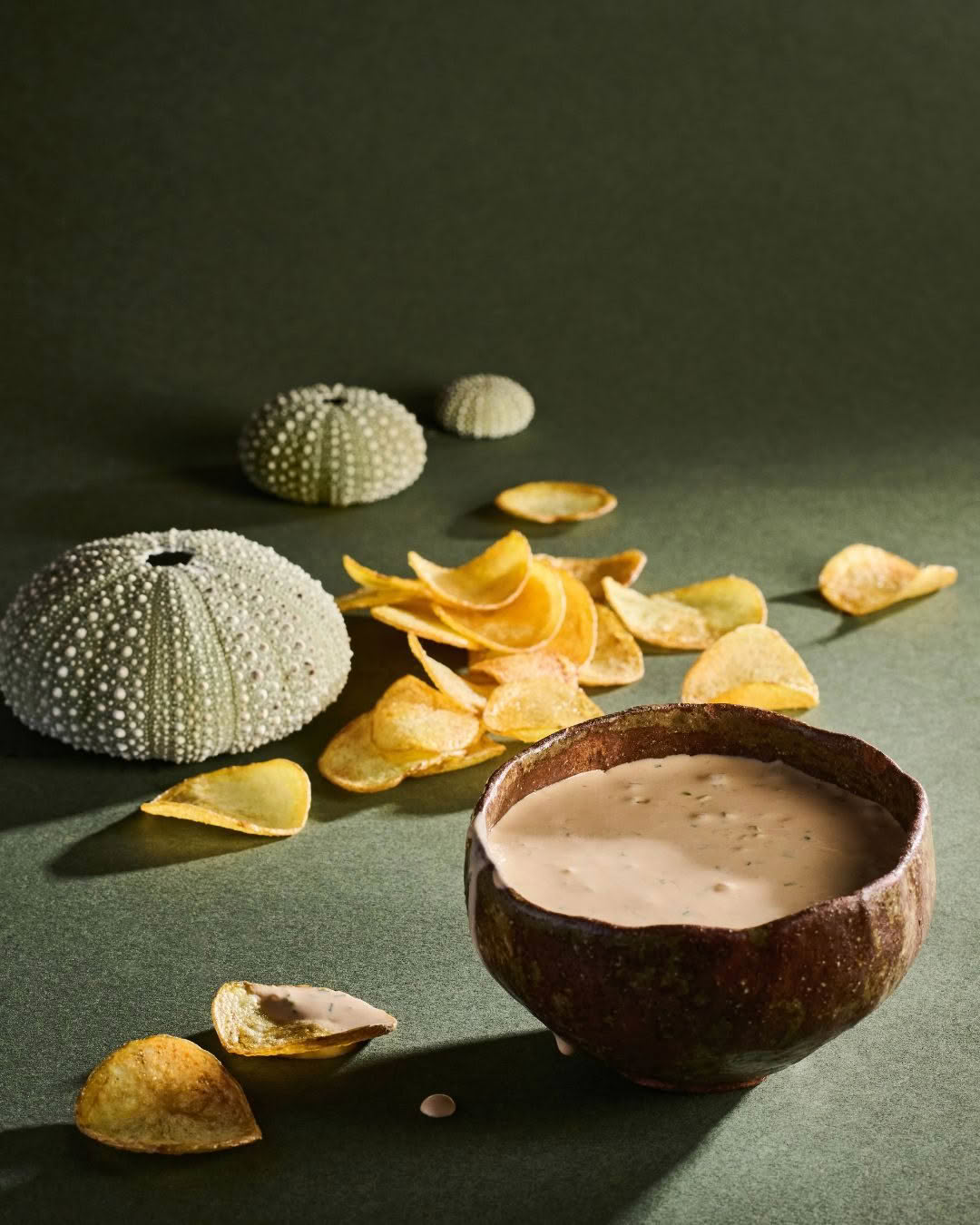
Which is why I rather like turning it into dip. Before the purists clutch their chests, hear me out. Kina whipped gently with a little crème fraîche or sour cream, a squeeze of lemon, perhaps a whisper of horseradish cream, becomes something both luxurious and approachable. The briny punch softens into something rounded and generous. It spreads; it invites.
Served with hand-made salted potato crisps, the kind that sting your lips slightly, it makes perfect sense. The vinegar cuts the richness, the salt amplifies the sweetness, the crunch plays against that almost custard-like texture. It’s not fussy and it’s certainly not tweezer food. It’s something you put in the middle of a table with a cold drink and let people discover for themselves.
Of course, if you’re lucky enough to have access to truly pristine kina, freshly opened, there is nothing to improve upon. A spoon, a shell, perhaps a squeeze of lemon at most. That’s the purest expression. Or, if the morning happens to find you beside the sea, pile it generously onto hot buttered toast with another squeeze of lemon. It may not be traditional, but it makes for a rather extraordinary breakfast.
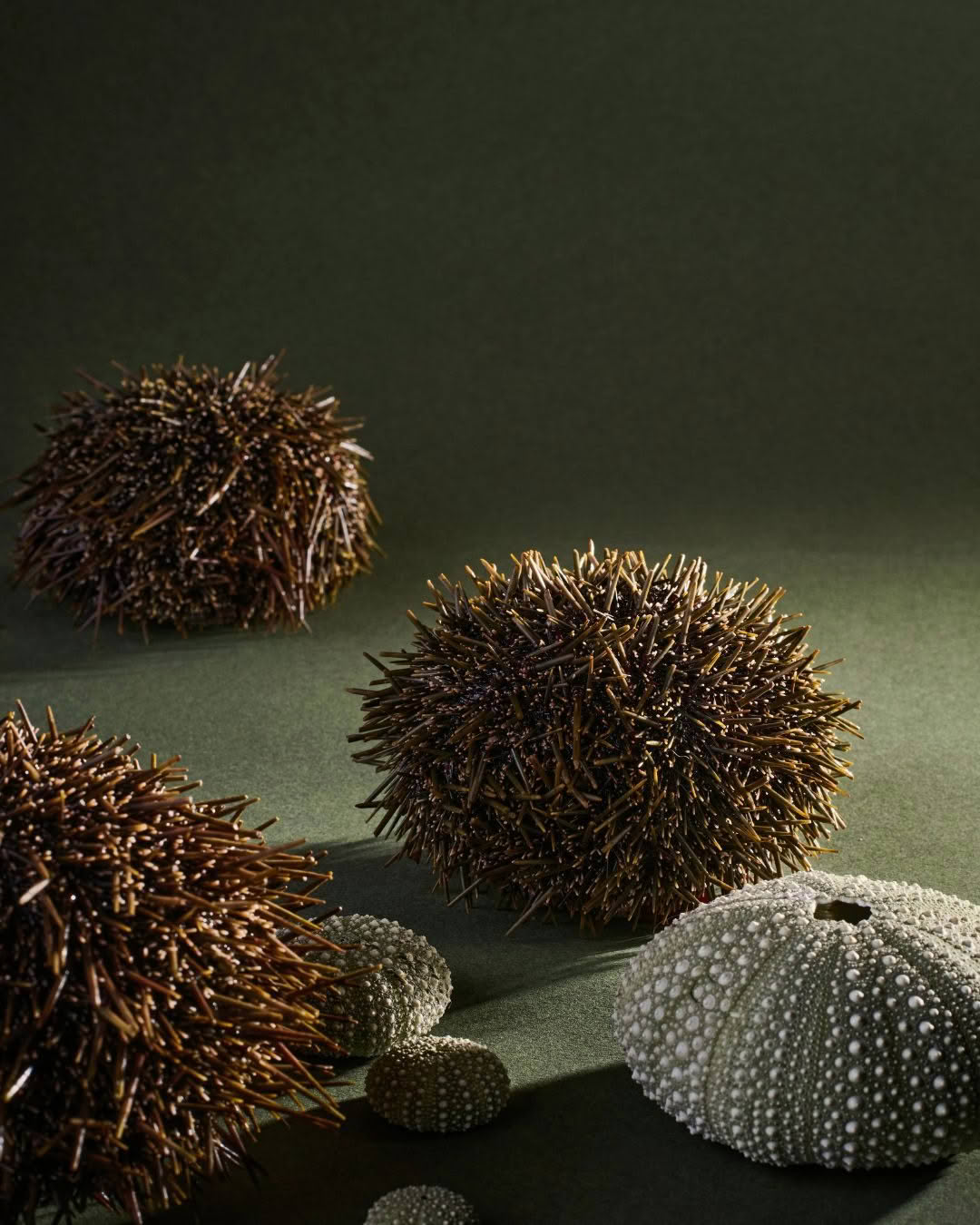
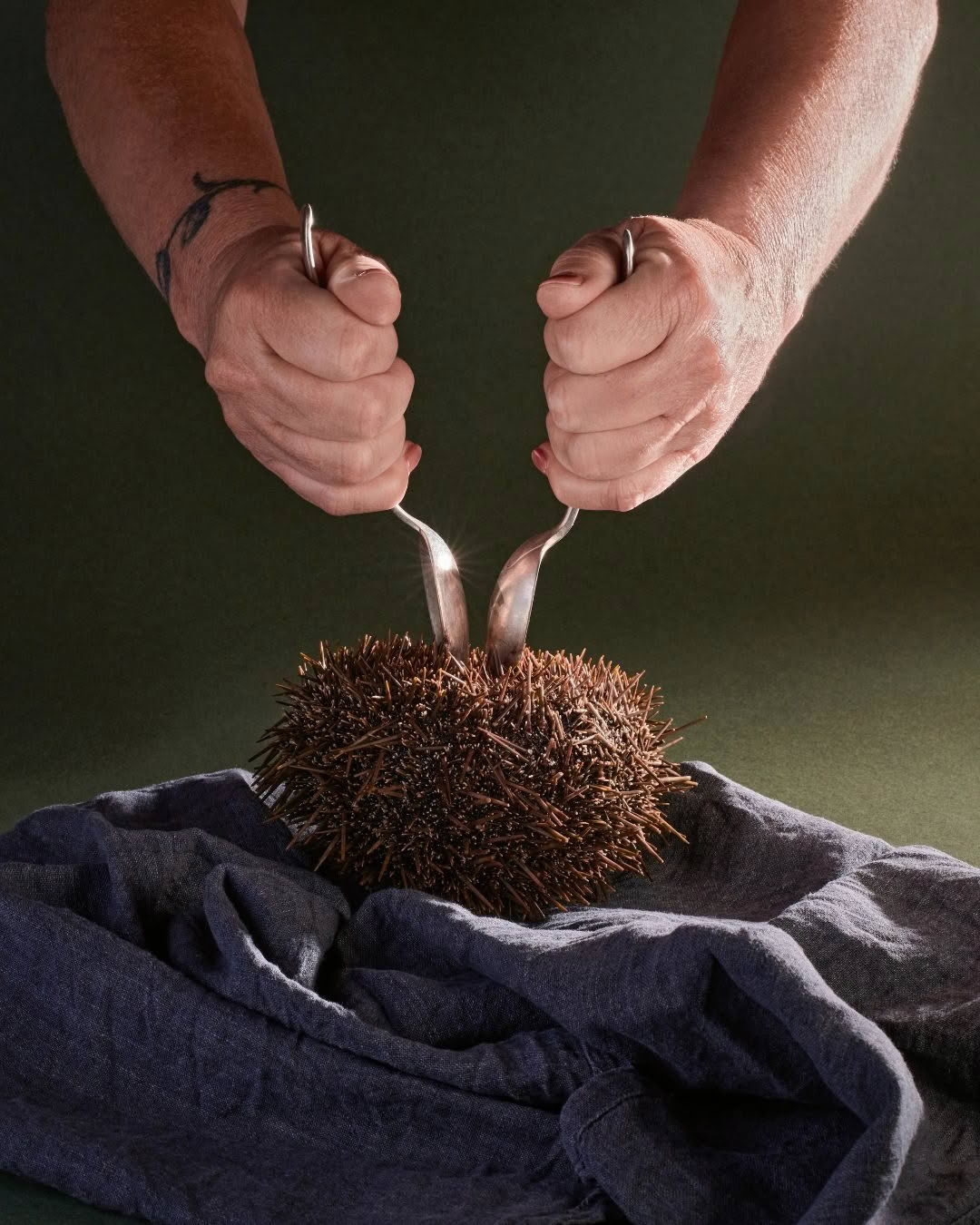
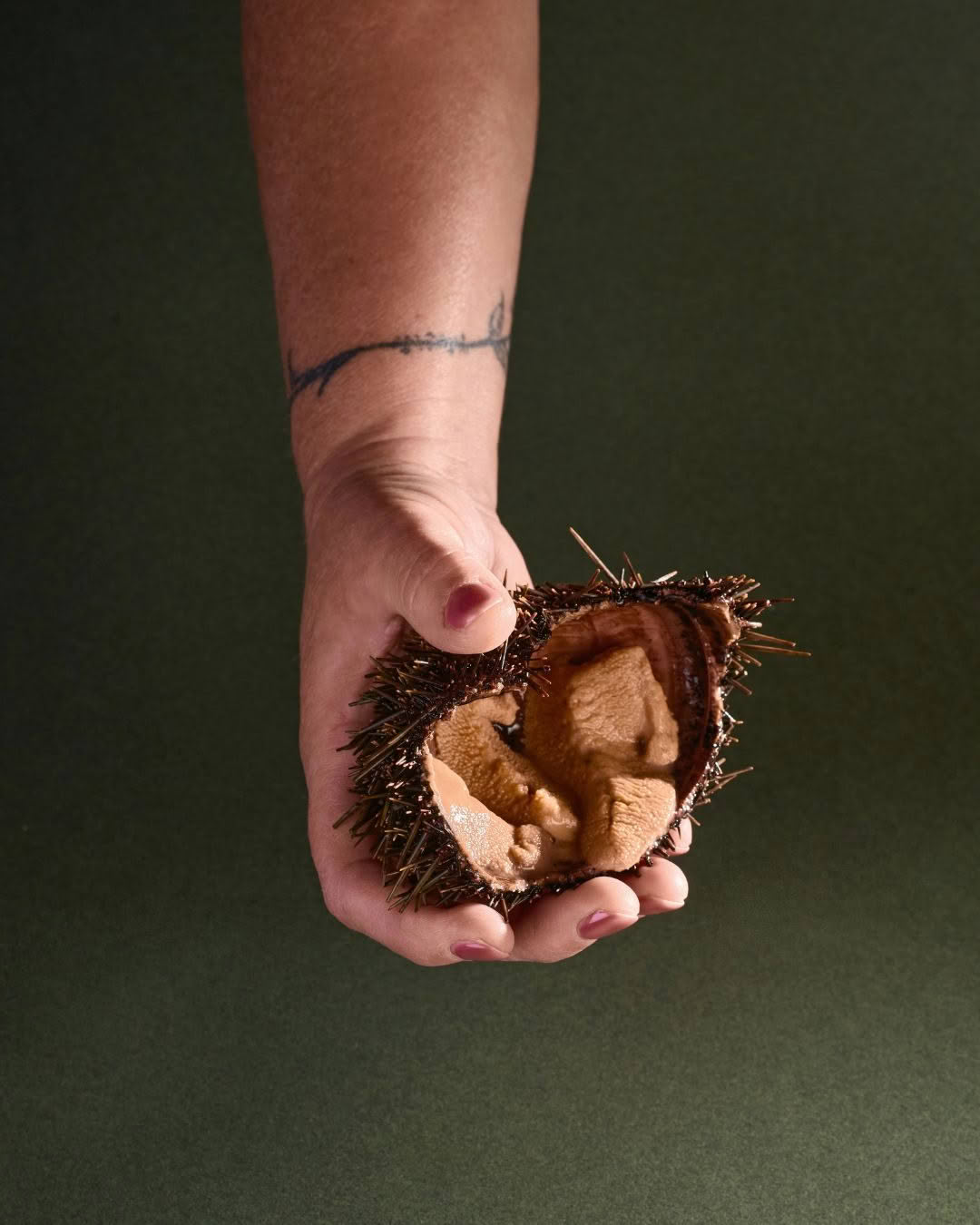
But not all kina needs to be a test of courage. Sometimes it can simply be delicious. There’s a particular pleasure in watching someone try kina for the first time. Opening kina needn’t involve screwdrivers and brute force. A surprisingly elegant trick is to take two dessert spoons, place them back-to-back into the mouth underneath, and gently prise them apart. The shell opens cleanly, if a little messily. The first look inside can be confronting – dark membranes, a little grit, the general chaos of the sea floor, but a teaspoon quickly reveals the prize: five soft, golden tongues of roe. What follows is almost always the same. A pause. A cautious dip. Raised eyebrows. And then, very often, a second scoop.
We talk often about eating locally, seasonally and consciously. Kina ticks all those boxes, and more. It’s ours. It belongs to these coasts, these tides. It tastes of Aotearoa in a way that imported delicacies never quite can.
There’s a well-known whakataukī that says when the kōwhai flowers the kina is sour, and when the pōhutukawa bloom they are full and sweet. There’s a grain of truth in that wisdom, but the reality is slightly more complicated.
Kina are actually at their best in winter. At that time, they are neither male nor female, and the roe tends to be consistently sweet and balanced. At other times of the year the difference can be striking: females are often darker, browner and more saline, while the males are brighter, more golden and noticeably sweeter.
It may divide the room, that’s fine, the best foods often do. But if you’ve sworn off kina after one challenging encounter on a windy rock platform sometime in the 1980s, I’d suggest giving it another chance. This time, perhaps, with a bowl of dip and a bag of salted crisps.
The sea is generous. Sometimes we just need to meet it halfway.
SEE MORE FROM CUISINE
Give A Man A Fish. . .
Don’t judge a fish by its looks, says Martin Bosley, as the ugly ones…
Issue 233: Give a man a fish…
Kingfish, whether wild or farmed, spells summer to Martin Bosley.