
I love championing the humble staples in our kitchens, ingredients such as cooking oil, flour or spices. They are often overlooked or taken for granted, but these ingredients are the first to be hit with a culinary shortcut and the cheapest is often purchased.
Most of our ‘dry’ ingredients here in New Zealand are low quality. Sacrificed for a long shelf life, freshness is not valued and they are often sourcedcheaply from overseas in bulk, then re-packaged for retail for big margins.We hardly ever know where exactly they come from, who made them or how. This supply chain is a mystery bydesign, but does the customer even care?
As a bona fide food geek, I care a lot! And when I find a kitchen staple that is grown, farmed and made right here in New Zealand and is an exceptional quality, then I get really excited. These staples are in pretty much all the food we cook and eat. We just can’t get away from them, so why not buyquality and, of course, buy Kiwi?
So, for season 4, episode 5 of A New Zealand Food Story, we head to the Canterbury Plains – the great food bowl of the South Island – to hear the runaway success story of The Good Oil.
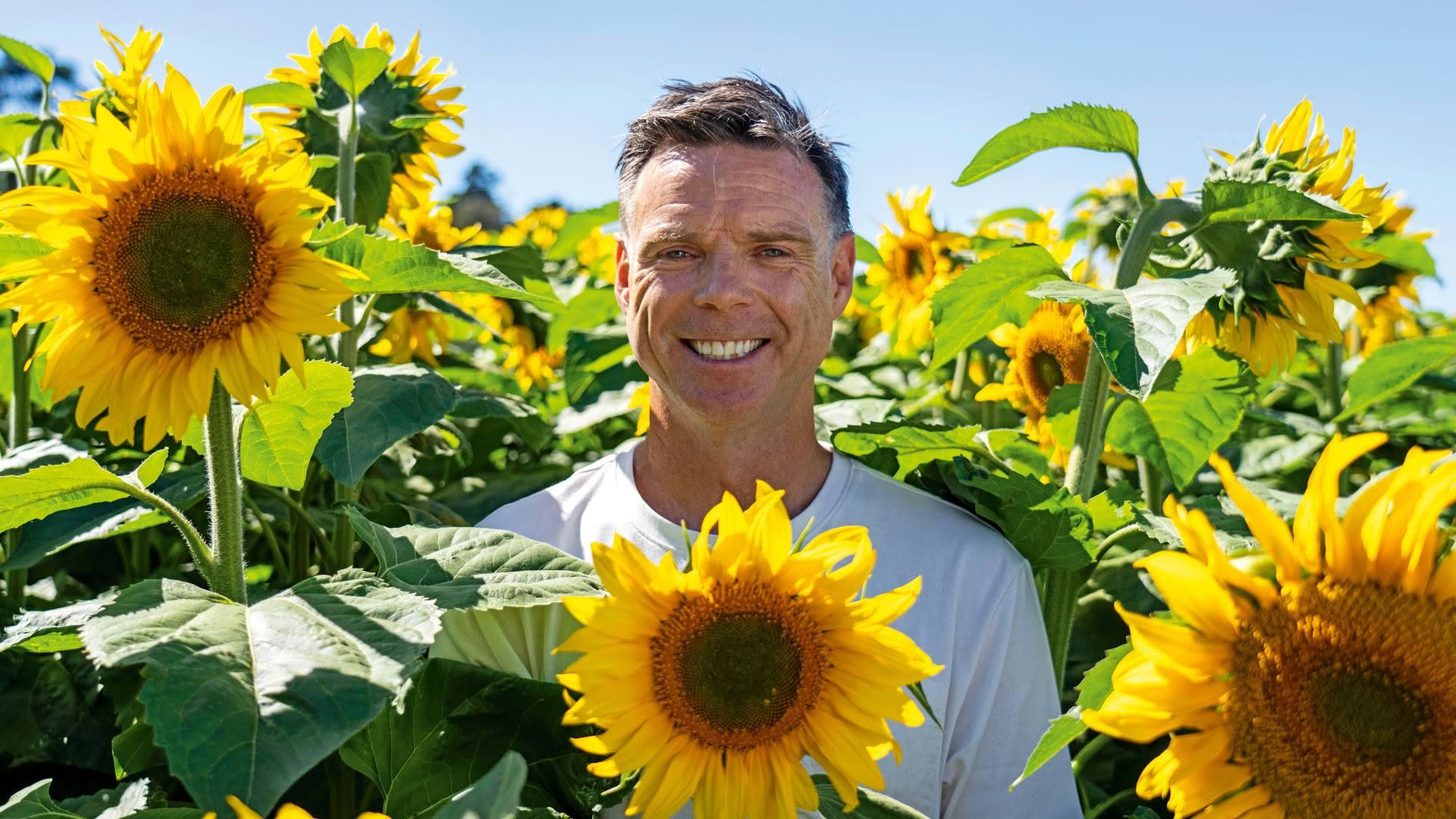
I first meet Nick Murney, the Managing Director of The Good Oil, on a beautiful summer day in the heart of the Canterbury Plains, among seven-foot- high sunflowers that are almost ready to be harvested. Walking through the sunflowers is a majestic, experience, the flowers reflecting sunlight like a million little yellow mirrors. “Almost romantic,” I say, as we laugh about the potential of holding hands for the film crew.
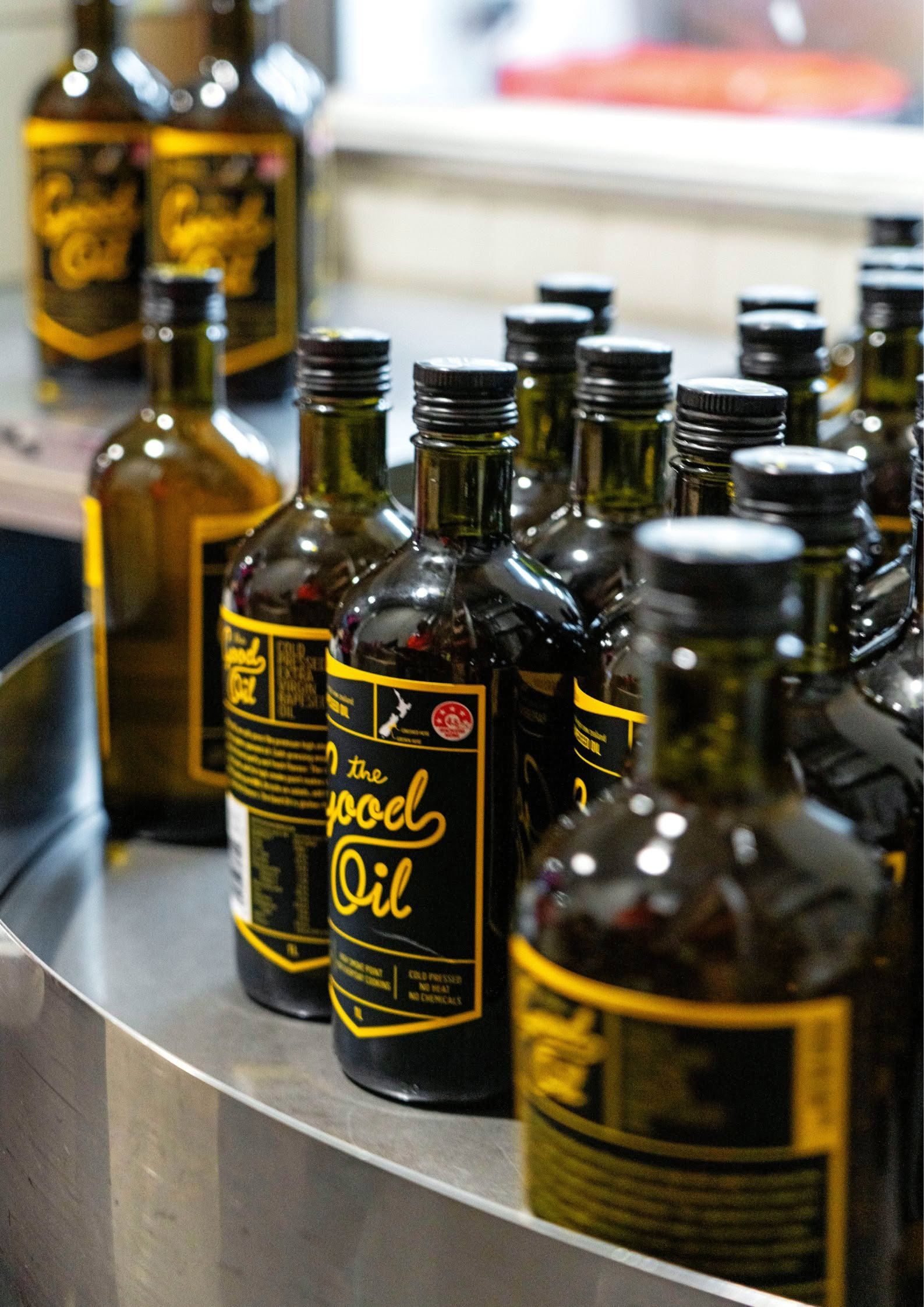
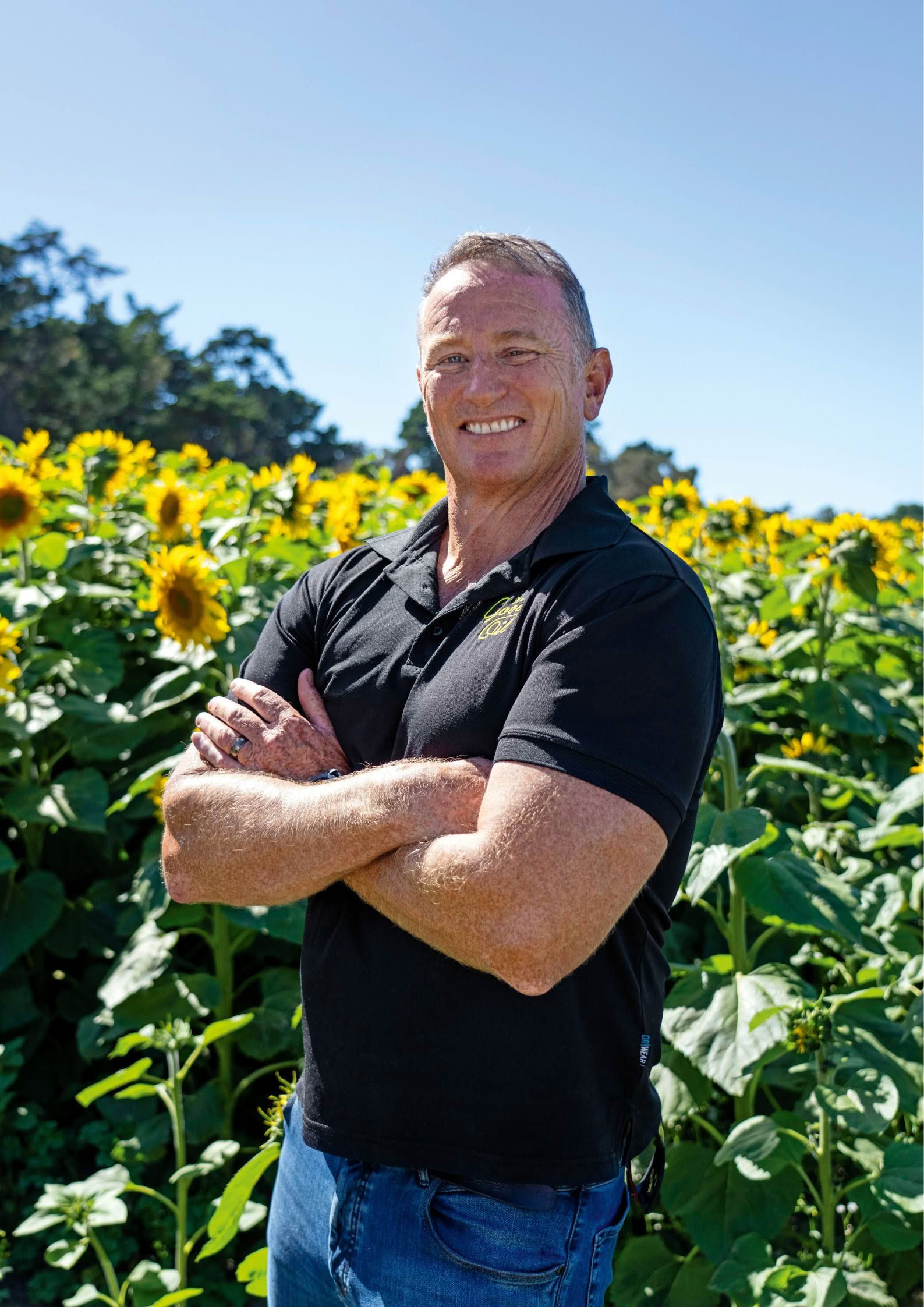
The Good Oil’s story begins in 2012 with a fascinating tale of folly. Then, Nick was working at a failing government-run bio-diesel plant. Yes that’s right, we were growing plants to make clean oil to be turned straight into bio-diesel. One day, Nick took a jar of this clean cold-pressed seed oil home from work and his wife fried some eggs for breakfast. He loved the delicious nutty flavour and asked the question, “Are Kiwis ready for this product?” The Christchurch plant was going to be shut down, so he went to the bank and purchased it. Gosh, I love stories like this – that took some guts!Ironically, The Good Oil now collects the used deep-fryer oil it sells directly to restaurants and turns it into bio-diesel.
We move to the rapeseed field down the road to meet Keith Gundry, The Good Oil’s chief agronomist. I am intrigued as I have never met an agronomist before and I feel a bit stupid as I ask Keith what his job actually is. Turns out agronomists are like those pantry staples – the unsung heroes of food production. Agronomists are scientists and the liaison between Mother Nature and the farmer: they are in constant research mode monitoring crops and the growth of the plant, they give advice on planting, soil health and crop rotation, and they assist in droughts and optimise harvest timings to name a few (think the long-suffering sidekick of Jeremy Clarkson, Charlie of Clarkson’s Farm). They allow the farmers to get on with farming and use science to help make the big decisions. If you ever meet an agronomist in the pub, buy them a beer; these good people are one of the key players in the food we eat.
Keith the agronomist has an impressive wealth of knowledge. As we rub the semi-dried rape pods between our fingers to reveal hundreds of tiny rape seeds with a 40% oil content, I’m fascinated to learn that he knows exactly how many bottles of rapeseed oil will come off this paddock, taking the guesswork and the prayers out of farming.
Heading to the processing plant, Nick is super knowledgeable about the health profiles and benefits of his oils. I suggest you watch the episode on TVNZ+ to find out more and hear it from him. I must admit, there’s an information overload online about whether seed oils are good for you or not, and it’s an easy rabbit hole to fall down if you are not careful. It is an important topic as these types of products are in so much of our Western diet. However, what I saw is simple. The Good Oil’s sunflower and rape seeds are harvested and trucked down the road to Christchurch. The seeds are cold pressed, bottled and sold quickly so the oil is always fresh. That’s it. No other chemical process is involved to deodorise or remove colour like the cheap stuff you see in the supermarkets. The spent seeds are not processed again for a ‘second squeeze’, instead they are packaged up and moved on as a quality animal feed, another important sustainability part of their business. This is as good as it gets when it comes to cooking oil.
It makes me think that when a dish is under construction, it’s kind of like a house – you have to spend time and money on those ingredients that are not the ‘hero’ and won’t be seen once the dish is completed. Building a solid foundation is important, not only for the end flavour of a meal, but also, possibly, for your health.
Cuisine proudly partners with A New Zealand Food Story. Look out for this episode on TVNZ+.
SEE MORE FROM CUISINE


Women In Food & Drink Aotearoa New Zealand Awards 2026
This year we continue to celebrate the trailblazing women who have…