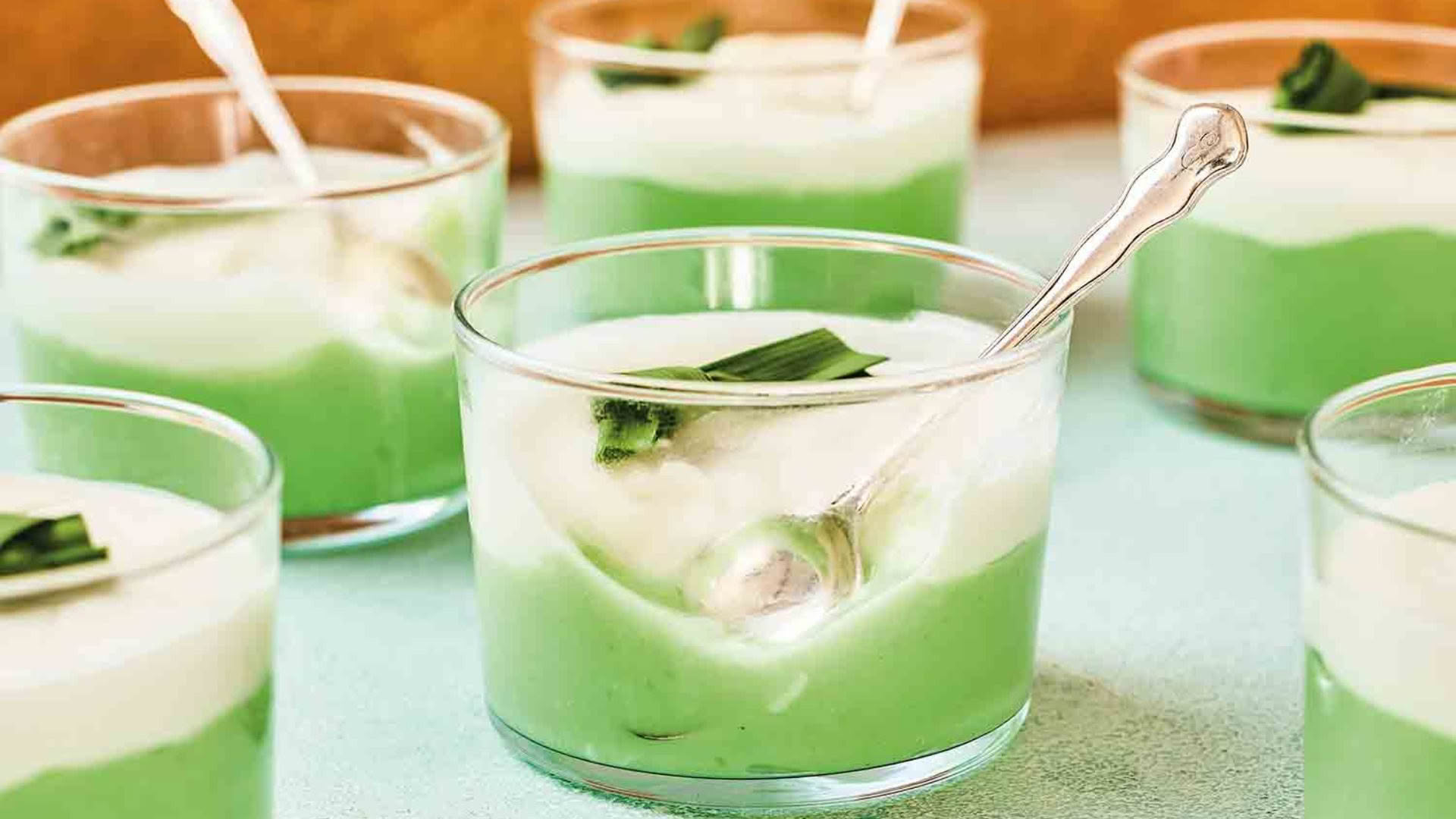
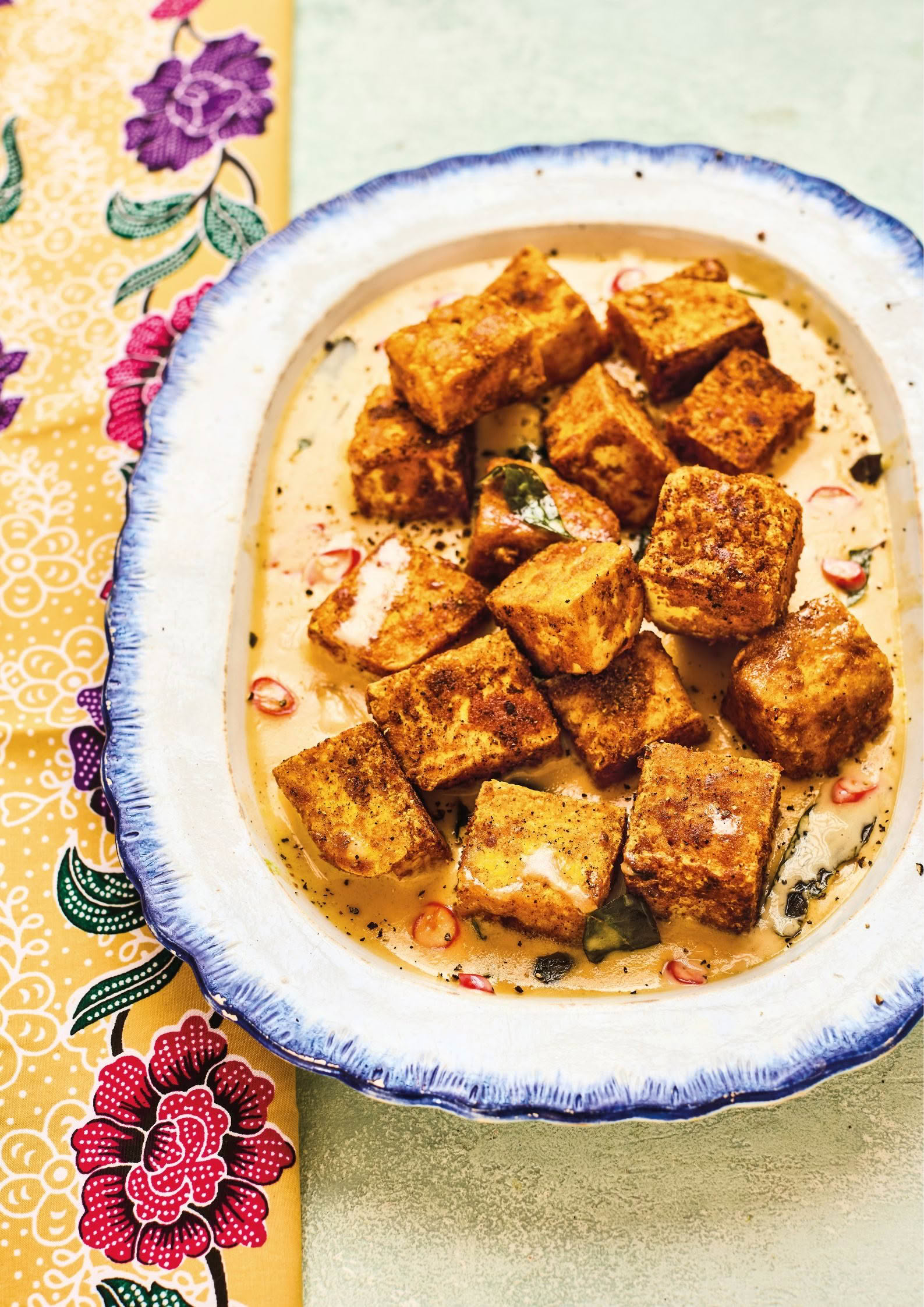
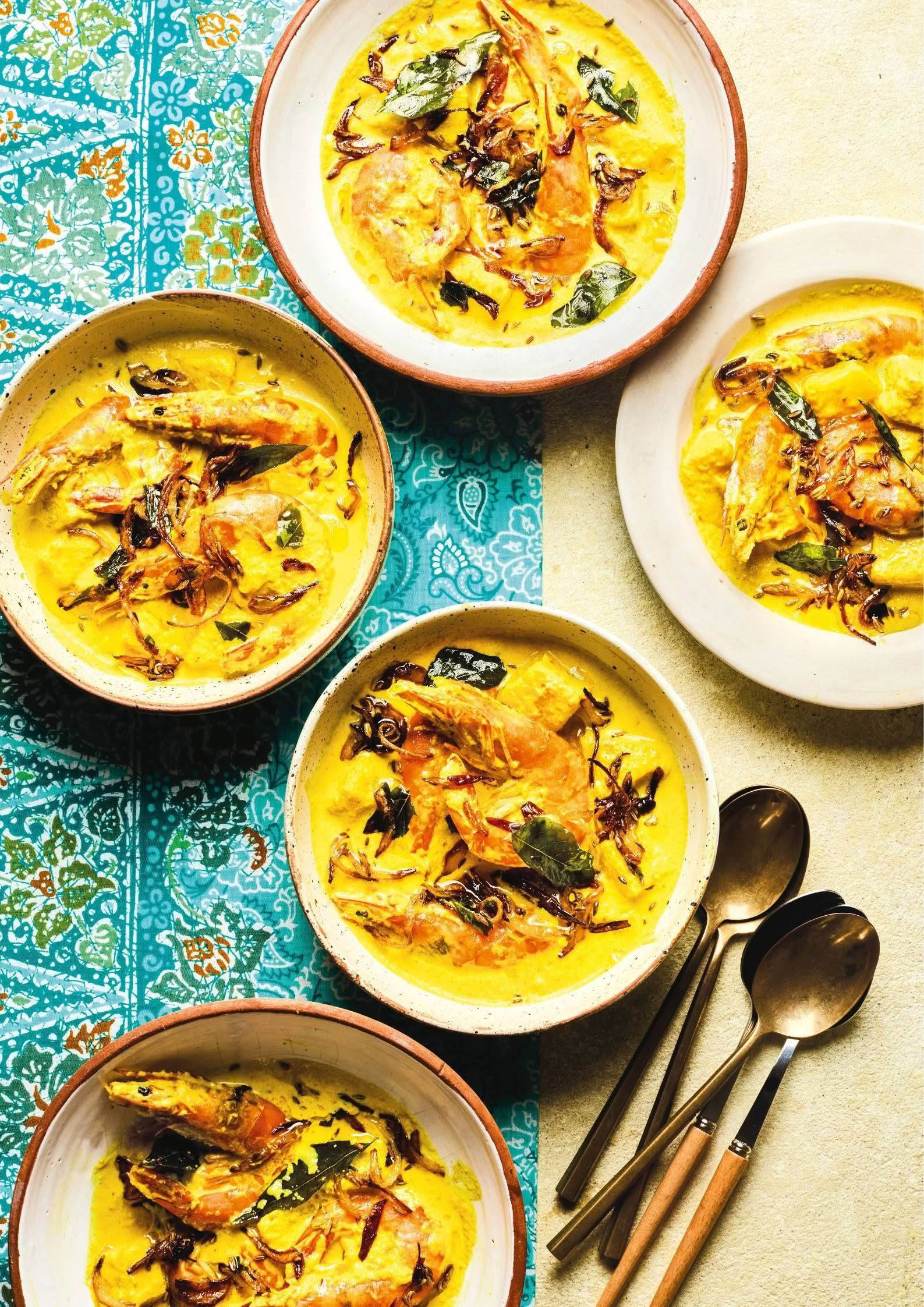
IT IS SPRING IN MY FLAT in South East London. Outside, the trees are just starting to bud, a green haze against the cool air. In my kitchen, shallots slowly caramelise in oil, buttery and rich, while the Malay four sibling spices (star anise, cardamom, cinnamon and clove) join the pot, their warm, sweet and woody aromas mingling with the citrussy, earthy scent of ginger and lemongrass. A pot of rice steams quietly at the back. Its pandan fragrance fills the room, a soft vanilla scent with a hint of grassy notes. A gulai simmers on the stove, coconut milk turning golden with turmeric. Cooking like this reminds me why understanding Malay food is the first step to understanding Malaysian food, and why neither has ever belonged to just one place.
Malay food has a long and fascinating history shaped by trade, by blending cultures and by a bold willingness to make the world’s flavours its own. It has found a place in every corner of Malaysia’s culinary story. And this openness didn’t just mix flavours, it created entirely new cuisines, each with its own character. Take Peranakan, or Nyonya, cuisine: it combines Chinese recipes with the Malay approach to cooking. Kristang married Portuguese techniques with local ingredients. Chitty Malay drew from Indian cooking, while the Mamak stalls of Indian Muslim traders became part of street life. With The Malay Cook, I hope to keep that story alive. I want to show how central Malay food is to Malaysian cuisine, and celebrate its warmth, its openness and its wonderfully rich, plural identity.
SEE MORE FROM CUISINE


Women In Food & Drink Aotearoa New Zealand Awards 2026
This year we continue to celebrate the trailblazing women who have…