
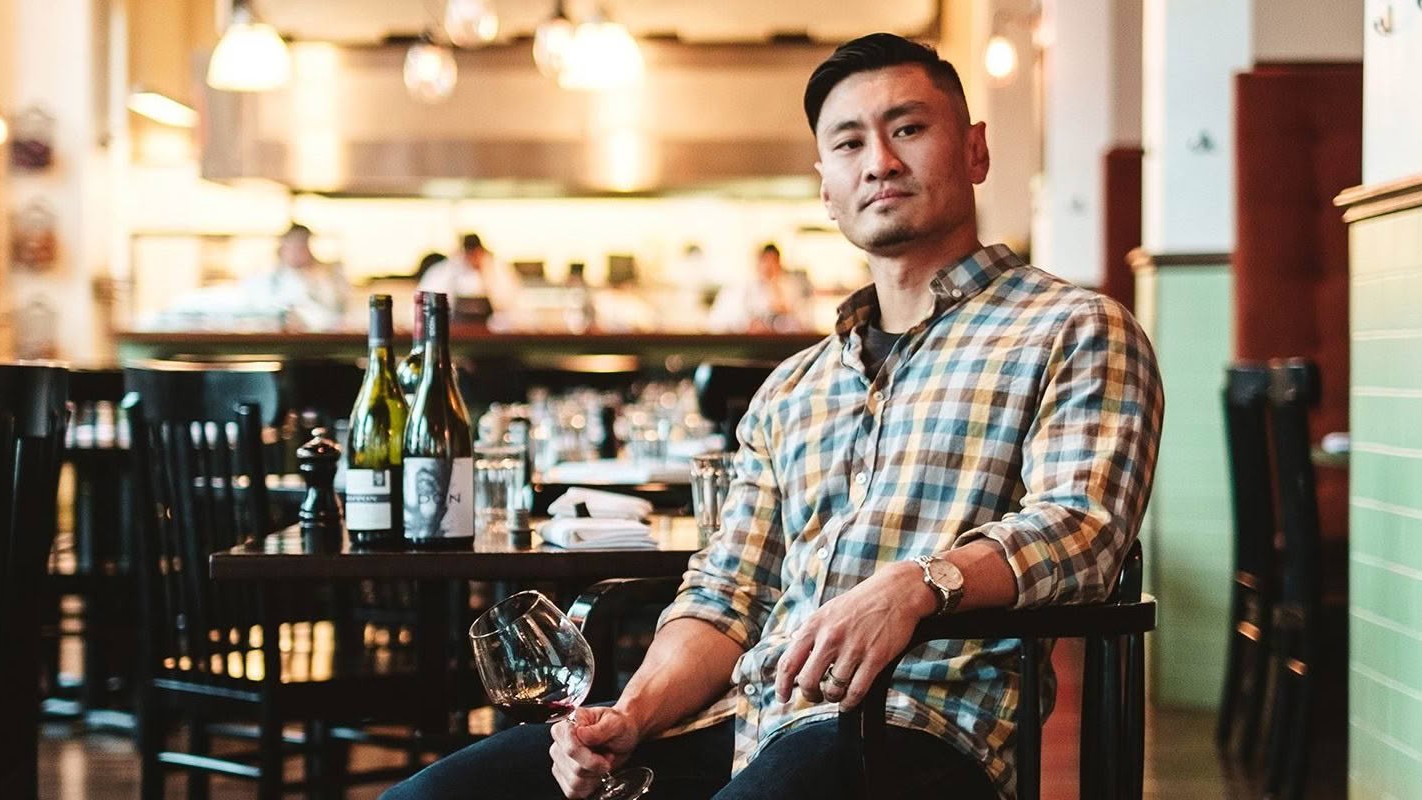
From Chablis to Montrachet, Südsteiermark to Essex, Carneros to the Eola-Amity Hills, Kumeū to the Pisa Ranges, Tupungato to Patagonia, and Piccadilly to the Tamar River, the geography of great chardonnay has never been wider. Few varieties travel so willingly, or repay so many different climates with wines of character and refinement. New Zealand, as it happens, is fortunate enough to sit squarely within chardonnay’s Goldilocks zone. Amy Hopkinson-Styles, one of the organisers of the Aotearoa Chardonnay Symposium, describes it as a genuinely ‘universal’ grape for this country – one capable of reaching distinction in every region.
Join us in welcoming our very first six Cuisine TasteCurators in 2025.
What makes chardonnay so compelling, and so demanding of the people who sell it, is its openness to interpretation. When I first started working in wine, it was often referred to as the winemaker’s grape, or a blank canvas. Although that saying is now a tired trope, it remains true that few grapes offer the winemaker so many levers to pull, so forgivingly, and in such fine gradations. Choices such as the picking date, clonal selection, whole-bunch pressing, reliance on indigenous yeast, juice left clear or left cloudy, a deliberate courting of flinty reduction, the choice of fermentation vessel (oak in its many formats and ages, eggs and amphorae), time on lees, malolactic conversion in varying proportions, handling kept protective or pushed toward the oxidative – each decision nudges the wine somewhere subtly different. Layer onto this the imprint of site and soil, the character of the vintage or the slow transformation that comes with bottle age, and the result is a bewildering tapestry. There is no guarantee that any two chardonnays will be alike and an almost encyclopaedic knowledge is required to navigate it with any confidence. That is surely too much to ask of the average diner.
Here lies chardonnay’s conundrum. The variety has been reclaiming its former glory with real fervour of late, and that renewed popularity brings its own complications. Drinkers now have unprecedented access to chardonnay’s many expressions, just as wine lists themselves are offering more of them. Left unguided, that abundance risks tipping into confusion, even disappointment. It is precisely here that sommeliers prove their mettle. Chardonnay, more than most varieties, is becoming a testing ground for wine lists and good wine service that navigates the current bounty of choice offered with genuine veracity, but without overwhelming the guest.
What separates the truly great sommelier from the merely competent is rarely product knowledge alone, but the thought processes which occur before a suggestion is uttered – reaching for the most expensive or best-known wine on the list is not a skill. A good sommelier is a good listener who asks questions and, more importantly, seeks to understand the answers. What is the guest eating and how is it cooked? Are they after something familiar and reassuring, or open to being led somewhere new? Has a broad, buttery style from years past left them tired, or a lean, reductive wine left them salty? Handled with care, a recommendation stops feeling like an upsell and starts feeling like good advice from someone paying attention. Done well, the reward is a grape that can do almost anything at the table. A taut, mineral Valençay or an Arbois Ouillé makes as fine an aperitif as any wine going – all cut and freshness. Extended lees-ageing brings savoury flavours and a nutty, bottle-developed complexity that suits richer fare. Roasted and slow-cooked dishes, dense and deeply flavoured, find their match in weightier, oak-aged styles. In parts of the Mâconnais, producers even court a touch of botrytis in wines that remain resolutely dry. New Zealand has taken up this full spread of possibility with characteristic enthusiasm: long-aged wines built under flor in a nod to the Jura; skin-fermented examples worked for texture and grip; and crisp, linear wines shaped by time in clay amphorae.
It is, in short, an exciting time to love chardonnay and never has the sommelier’s guidance mattered more.
I leave you with another thought to ponder. Curiously, we are quick to call riesling ‘confusing’ for the consumer, and to blame that confusion for the variety’s economic woes, although not in Australia or the Teutonics, where it is doing superbly in market. Chardonnay could fairly be accused of the same complexity, arguably more so once every winemaking variable is accounted for, as described above. Yet chardonnay drinkers show none of the same reluctance. It’s worth asking why. Perhaps chardonnay lovers are simply more willing to be surprised, more forgiving of a wine that arrives a little different from what they expected. Or perhaps the real issue was never complexity at all; perhaps wine drinkers hold a far stronger aversion to a whisper of sugar than to any of the other variables that make a wine what it is. Either way, it is a question that deserves more scrutiny than it usually gets and, appropriately enough, one best answered with a good sommelier at your shoulder.
Drinkers now have unprecedented access to chardonnay’s many expressions, just as wine lists themselves are offering more of them. Left unguided, that abundance risks tipping into confusion, even disappointment. It is here that sommeliers prove their mettle.
SEE MORE FROM CUISINE
Karikaas Cheese / Vintage Maasdam
Paul Broughton is head cheesemaker at Remutaka Pass Creamery and…
Success Served Hot & Bite-Sized
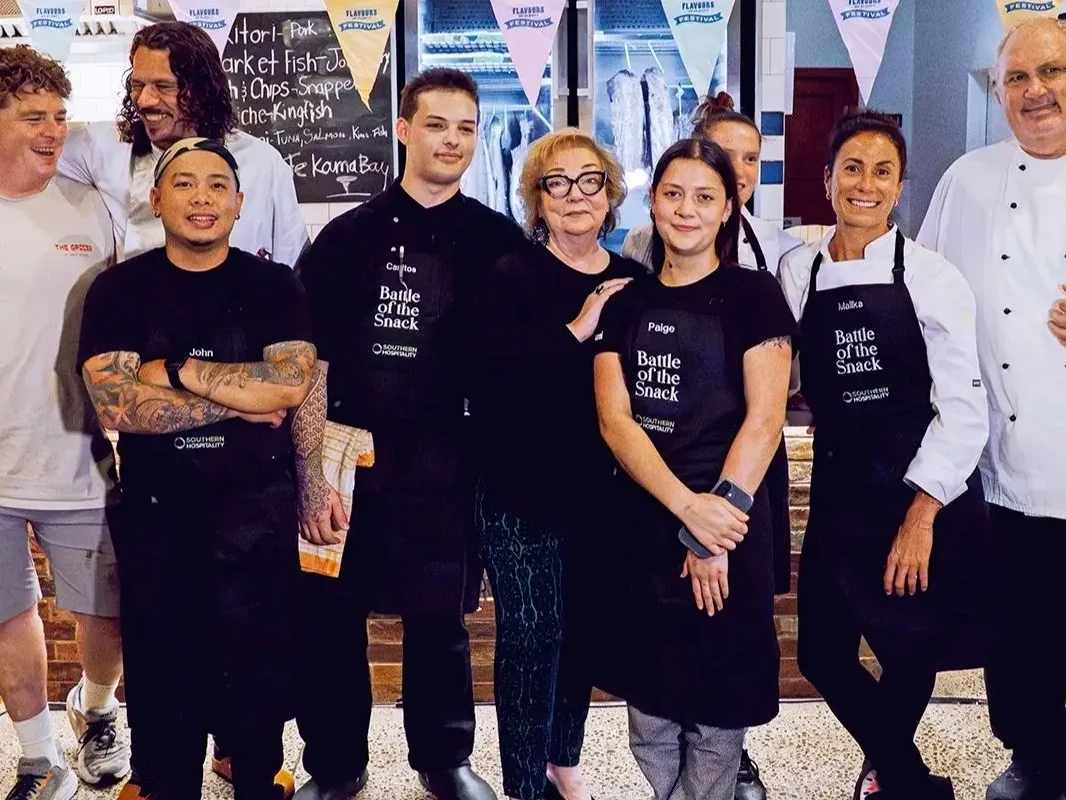
One partnership reigned supreme at this year’s Battle of the Snack…