In every bottle of wine, there’s a story, but the way we tell it is changing. Across New Zealand and beyond, a new generation of drinkers is quietly reshaping the ritual. The assumption that younger audiences favour excess is beginning to fade, replaced by a more considered approach that values depth over volume, and connection over consumption. It’s less about finishing the bottle and more about understanding what’s in the glass. Recent findings from the Global Wine Tourism Report 2025 reinforce this shift. Drawing on insights from 1,310 wineries across 47 countries, the report offers one of the clearest snapshots yet of how wine tourism is evolving. Its message is simple: the future of wine may lie not in how much we pour, but in how deeply we engage. Increasingly, wine is being positioned not just as a product, but as an experience shaped by place, people and memory.
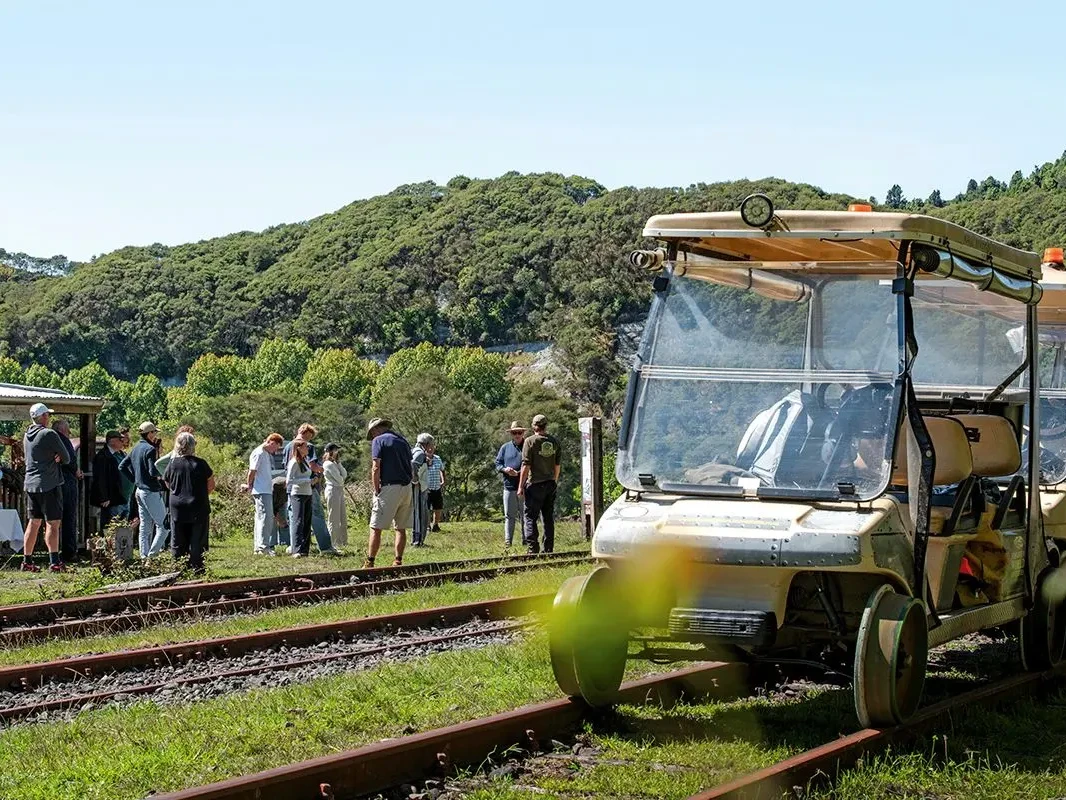
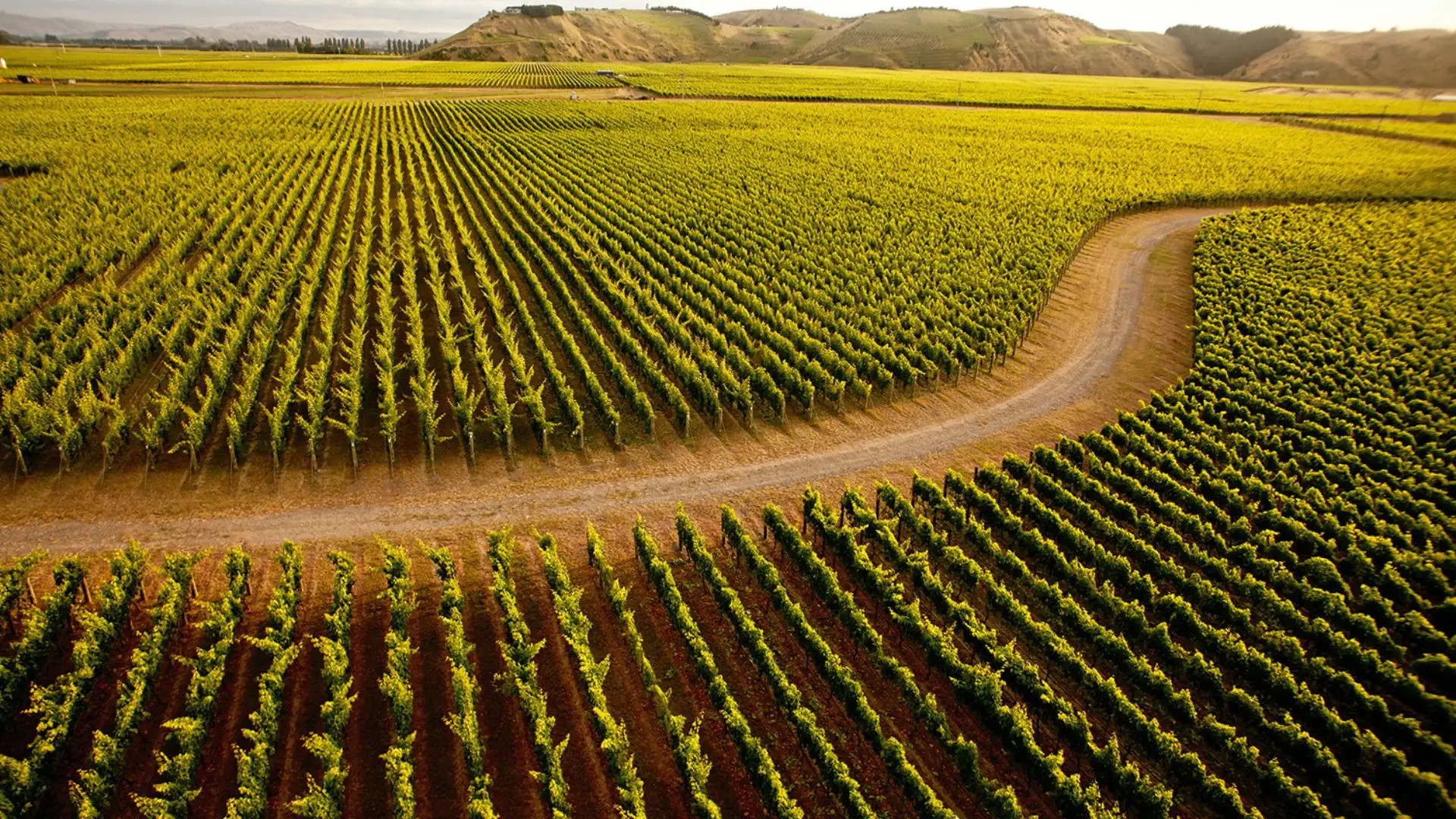
Nowhere is this more evident than in Hawke’s Bay. Long celebrated as one of New Zealand’s leading wine regions and recognised among the Great Wine Capitals of the world, it is a place where wine has always been tied to landscape, lifestyle and hospitality. Vines stretch across sunlit plains while cellar doors sit just moments from the east coast, inviting visitors to savour the atmosphere. But as expectations change, the conversation is shifting. It is no longer just about reputation but about experience. What does that look like in practice? For Black Barn Vineyard co-owner and Hawke’s Bay Great Wine Capitals ambassador Kim Thorp (pictured right), it begins with a more mindful relationship to wine itself. “There seems to be significant research behind this shifting global trend of wine becoming more of a considered purchase and something that is to be appreciated and savoured rather than simply consumed,” he says. In Hawke’s Bay, that shift is tangible. It’s there in the long lunches that stretch into the afternoon; it’s in conversations that drift easily between vintage and vineyard, where wine becomes part of a broader, more social rhythm. Cellar door visits feel less transactional, more immersive, becoming less about ticking off tastings and more about spending time, asking questions and building a sense of familiarity. Enjoying wine here becomes less about quantity and more about curiosity, with a desire to understand where a wine comes from, who made it and why it tastes the way it does. That curiosity extends beyond the glass, shaping the way visitors move through the region from vineyard tastings to local produce, from restaurant tables to coastal walks. Wine becomes a thread that ties the experience together.
That doesn’t mean consumption disappears – as Kim points out, it remains fundamental to the industry’s survival – but patterns are changing. Younger audiences may be slower to arrive at wine, often drawn first to non-alcoholic options, RTDs or cocktails. Yet many come to it later, bringing with them a different set of expectations, ones shaped by experience, intention and a deeper sense of occasion.

“I personally think storytelling has a huge role to play in the wine industry and always has,” says Kim. “Give me a glass of cabernet franc and there are numerous wonderful stories to be told about everything that happened to get it into my glass. Give me an Aperol spritz and the stories become very limited indeed.” It’s this narrative of people, place and process that wineries are increasingly leaning into. Across the region, cellar doors are evolving into spaces of conversation, where wine is not just poured, but contextualised. Visitors are seeking more than a tasting; they’re drawn to authenticity, sustainability and a sense of connection to the land beneath their feet. There’s a growing appetite for experiences that feel personal, with smaller groups, deeper engagement and moments that linger well beyond the visit itself.
At the same time, there’s a quiet tension underpinning it all. New Zealand’s wine industry still relies on scale, with much of what is produced destined for markets far from where it is grown. The challenge then is how to carry that sense of place beyond the vineyard, how to ensure that even at a distance, the story remains intact. “The stories that can be built around regional differentiators, regional varieties and regional reasons to visit will become increasingly more important than simply exporting in bulk,” Kim says. In this context, storytelling becomes more than a marketing tool; it becomes a bridge, a way of connecting drinkers back to origin, even when they are thousands of kilometres away. A bottle opened in another country can still carry something of Hawke’s Bay with it: the warmth of the climate, the character of the soil and the hands that shaped it. Success is no longer defined by volume poured, but by the relationships built around it. In regions such as Hawke’s Bay, that means thinking beyond individual cellar doors to a more unified approach. “The answer is regional co-ordination,” Kim notes, pointing to the role of collective effort in elevating the region on a global stage. As he puts it, “a collection of independent businesses can’t create, co-ordinate or fund that alone.”
Looking ahead, the direction feels quietly assured. Investment in wine tourism continues, but the focus is changing towards experiences that bring people closer to the story behind each bottle. Growth is expected not just in scale, but in depth: deeper engagement, stronger regional identity and more meaningful encounters between producer and drinker. Because in the end, wine has never been just about what’s in the glass. It’s about where it takes you, whether that’s a vineyard, a table or many conversations; those are the connections that linger long after the last pour.
THE WINE WORLD COMES TO HAWKE’S BAY
HAWKE’S BAY IS hosting the 26th Great Wine Capitals International Annual Conference from 18–22 October 2026. This is the flagship event of the prestigious Great Wine Capitals Global Network, for which industry professionals, travel trade representatives and media from Great Wine Capitals around the world – including Bordeaux, Mendoza, Adelaide and Napa Valley – will converge on Hawke’s Bay for five days of industry sessions, innovation showcases, cultural immersion and world-class wine experiences. For more details and to register, visit: gwchawkesbay26.com.