We are, most of us, creatures of habit at the fish counter. We drift towards the familiar such as snapper, salmon and blue cod, guided by a quiet confidence that these are the safe bets, the known quantities. They are, of course, excellent fish. But in our loyalty to them, we overlook a whole cast of characters that rarely make it into our kitchens. Fish that are, to be blunt, not much to look at.
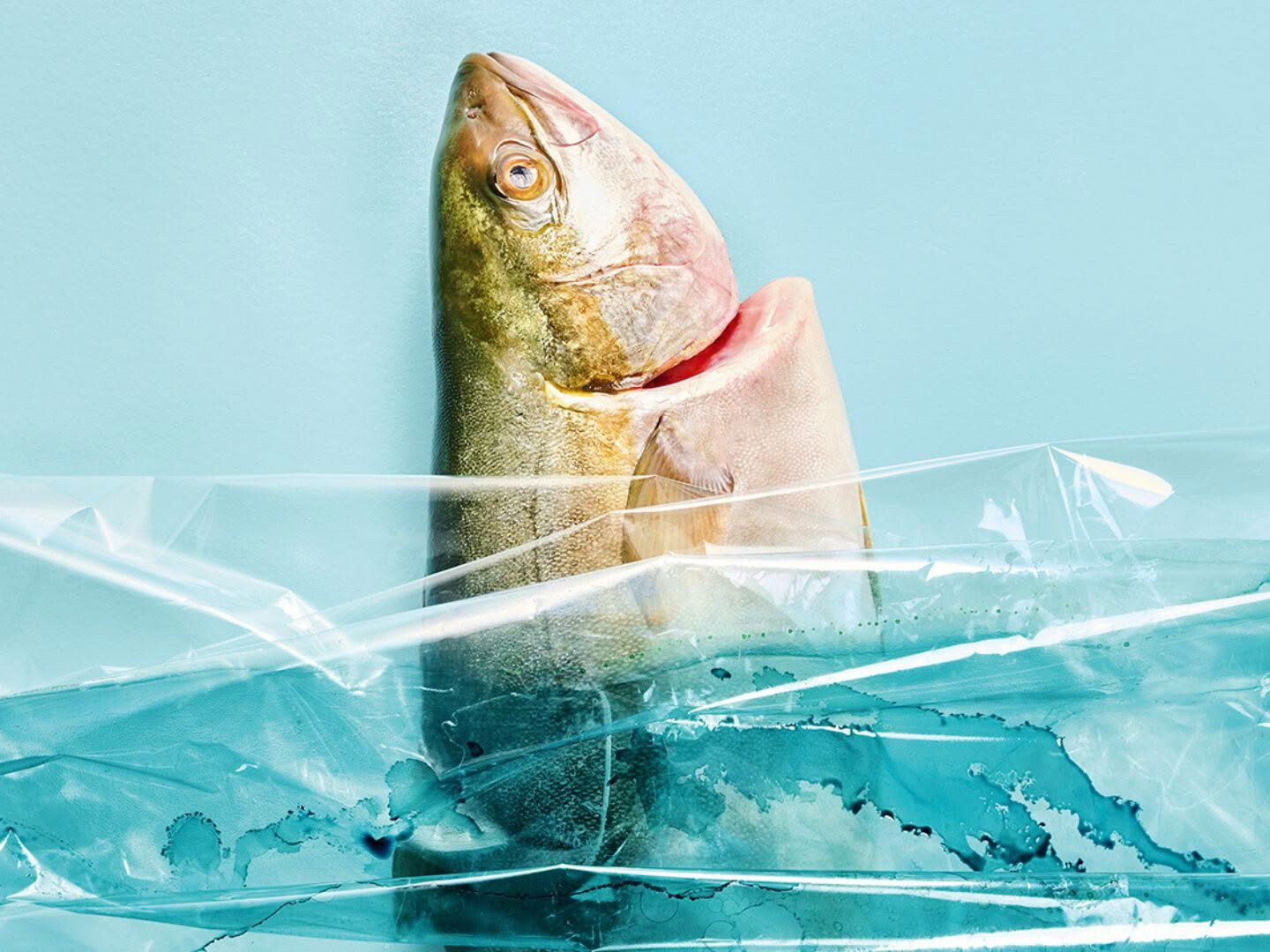
There is an unspoken hierarchy in seafood and looks have a great deal to do with it. Sleek, silvery fish with clean lines and firm white flesh are easy to love. They present well, they behave predictably and they ask little of us. But down in the depths, or tucked away on the fringes of the catch, are species that don’t conform to this neat aesthetic. They are knobbly, spiny, flat-faced or oddly proportioned. Some look as though they’ve been assembled in a hurry from spare parts.
Take elephant fish, with its elongated snout and slightly mournful expression, as though it has just remembered something unfortunate. Or scorpion fish, all spikes and attitude, a creature that seems to resent your interest. There are sea perch, with their oversized eyes and faintly prehistoric air. And gemfish, long, lean and a little sinister, like something that might slip through your fingers and vanish into darker water. None of them would win a beauty contest. But that, of course, is entirely beside the point. Because what they lack in looks, they more than make up for on the plate.
Elephant fish is delicate, sweet and almost translucent when cooked properly. Scorpion fish, for all its armour, yields a firm, flavoursome flesh that rewards a careful hand. Sea perch is robust, slightly oily, perfect for bold flavours. And gemfish, when fresh and treated with respect, has a lovely, soft texture and a richness that holds up beautifully in a stew. Monkfish, meanwhile, looks frankly absurd, but its dense, muscular cheeks of sweet flesh offer great rewards for cooks willing to look beyond appearances.
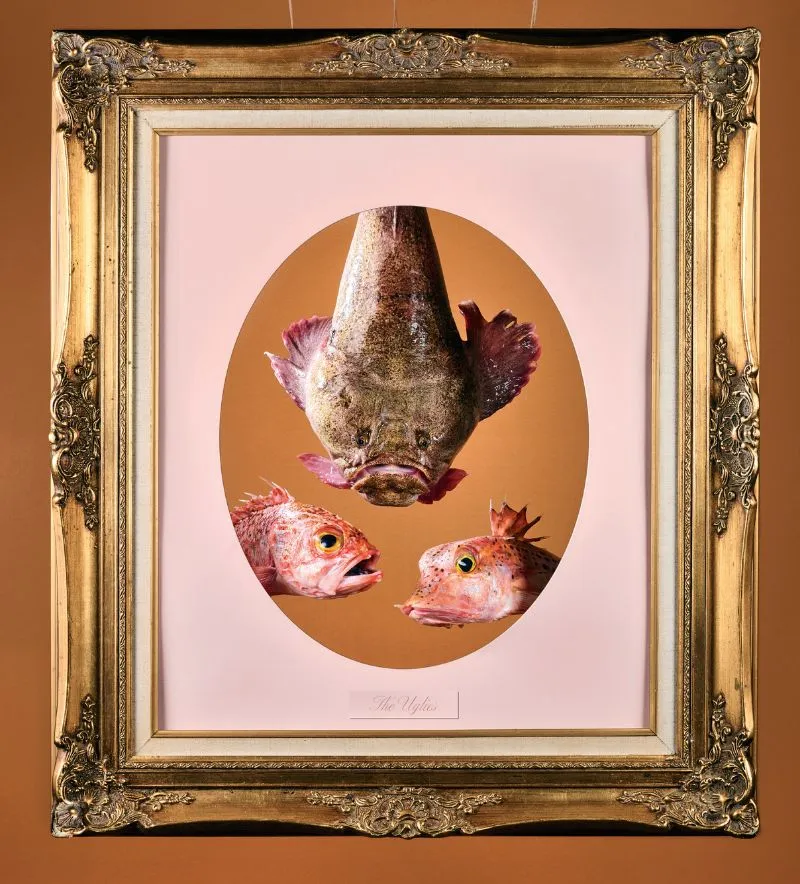
Then there is gurnard. Dear old gurnard. If ever a fish had a face only a fisherman could love, this is it. Broad-headed, wing-finned and faintly disapproving, it looks like it has something to say about the whole business. But cook it gently and you will find flesh that is sweet, fine and deeply satisfying. It is, without question, one of our most underrated fish.
So why do we ignore them? Partly it is unfamiliarity. We don’t grow up eating these species in quite the same way, and so we lack the confidence to buy them. There is also the matter of presentation. These fish don’t lend themselves to the neat, boneless fillets we have become accustomed to. They require a little more engagement; a bit of trimming, perhaps, or the willingness to cook on the bone. But I suspect there is something else at play. We have become, in a quiet way, disconnected from the idea that food can be a little challenging, that it might ask us to step outside our comfort zone, or that it might not always arrive looking pristine and predictable.
The irony, of course, is that these so-called ugly fish often represent extraordinary value. They are plentiful, less in demand and therefore more affordable. In a time when the price of seafood can make even the most committed cook hesitate, this matters. It opens the door to eating well, often, and with a clear conscience. More than that, choosing these fish supports a broader, more balanced approach to fishing. It eases the pressure on the handful of species we return to repeatedly; it makes better use of what the sea is already providing, understanding that good eating and good stewardship can go hand in hand.
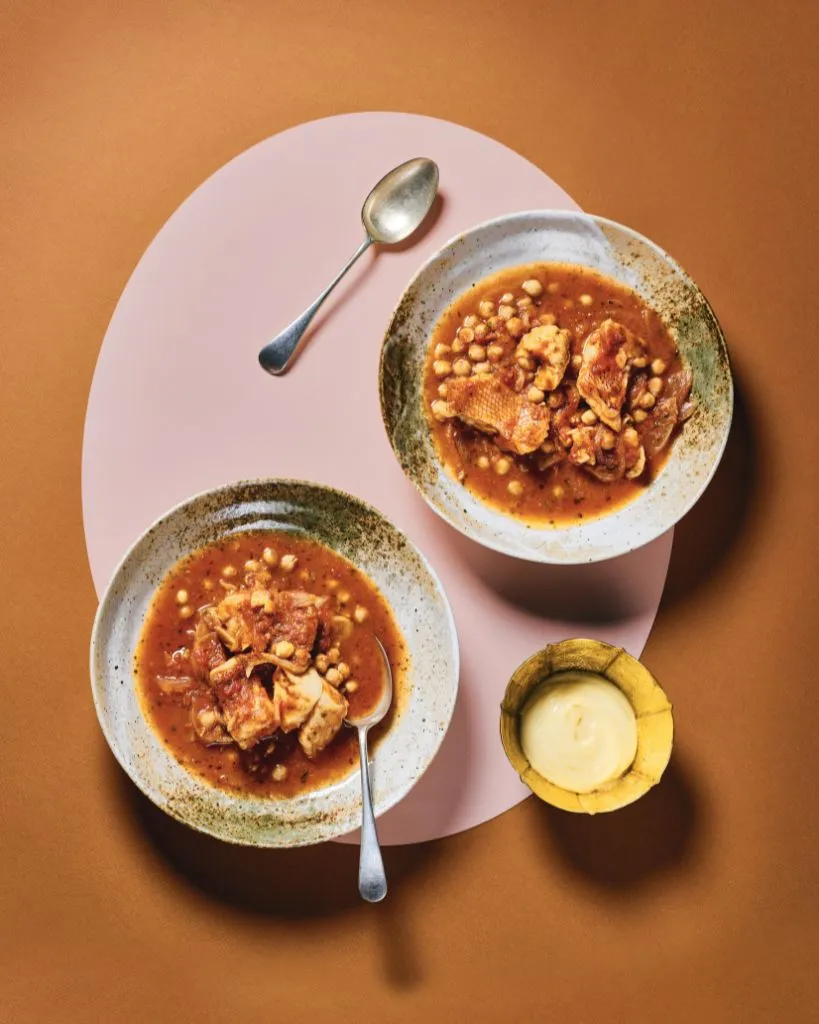
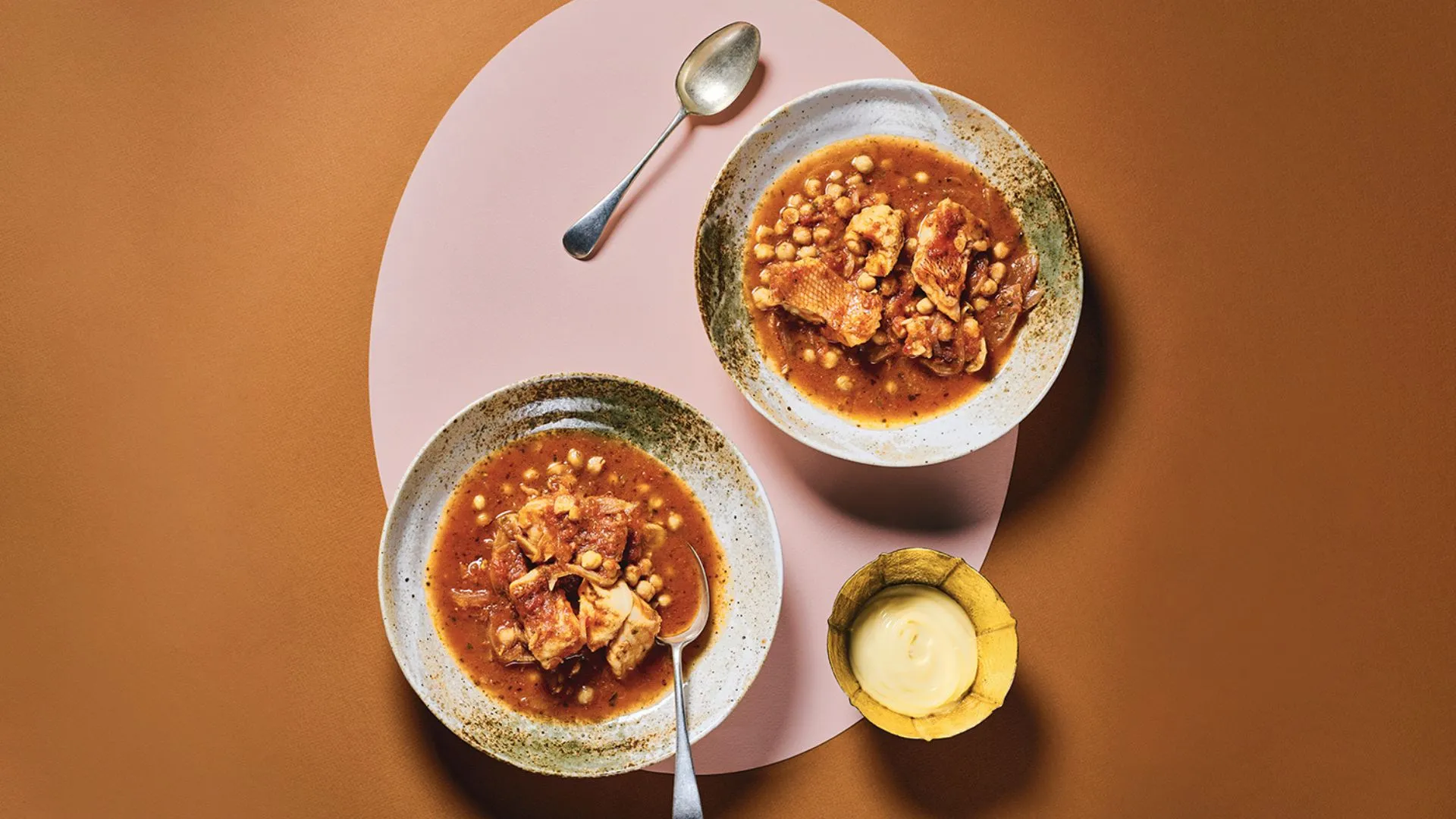
And then there is the simple pleasure of discovery. Of taking something unfamiliar, even slightly unpromising, and turning it into a meal that surprises you – perhaps a tomato and fennel stew such as the one given here, where the fish softens into the broth, lending it depth and character. A dish where the focus is not on perfection, but on flavour, warmth and generosity.
It is, in the end, a small shift in perspective, to look beyond the obvious, to trust that beauty, in food as in life, is not always where we first expect to find it.
Next time you are at the fish counter, pause for a moment and look past the usual suspects. There, off to one side, will be something a little less glamorous, a little less certain. Take it home. You might just find it’s the best thing you have eaten all week.