Twenty years ago, buying fish wasn’t particularly romantic. I would stand in a draughty loading dock with half a dozen other chefs, most of them smoking, surrounded by heavy-duty plastic bins full of fish that had been filleted under running water. Somebody in white gumboots would pull your fillets from a slurry of ice and water, cigarette balanced precariously on the edge of the bin, drop them into a thin plastic bag and hand it over with barely a word. If you were lucky, the species had been scribbled on the outside of the bag. The most interesting thing anybody could tell you was that the fish was fresh.
One day chef Al Brown and I were both after some hāpuku. Having been told there was none available, we watched a large bin go by us on a forklift, full of hāpuku. “Export,” someone explained, not for the domestic market as apparently we would not be prepared to pay the price. We were, it seemed, getting the best of the worst. That day it dawned on me that New Zealand wasn’t keeping its best fish for itself. We simply hadn’t learnt to value it.
Restaurant menus reflected that attitude. It was simply ‘fish’. Perhaps there’d be a species name, if you were lucky. More often than not it was simply ‘Fish of the Day’, a title that suggested daily excitement but often referred to the same fish as the day before and the day before that. Freshness was the only selling point. Nobody asked who caught it, where it came from, how it was landed or why this fish was any different from the one sitting beside it. Provenance was for wine, and it arrived carrying entire biographies. But while the fish was important, the fisher much less so.
Today we think differently. We ask whether a fish was line-caught or trawled. We know where our oysters come from. Restaurants proudly name the boats, the fishers and the farms they buy from. Species once dismissed as second-rate now enjoy cult status. We care about sustainability, traceability and seasonality in a way that would have seemed unusual only a couple of decades ago.
That change didn’t happen by accident. It happened because 20 years ago, Rachel Taulelei asked questions that now seem so obvious. Who caught this fish? Where and how was it caught? Why are we ignoring perfectly delicious species? Why aren’t we celebrating the people and places behind it?
She founded Yellow Brick Road, a small seafood company with an idea that now seems so clear that it’s difficult to imagine the industry without it. The idea wasn’t simply to sell fish. It was to connect the people who catch it with the people who cook it.
She knew that provenance could matter to seafood in the same way it mattered to wine, so that fishers could become recognised not simply as suppliers, but as skilled custodians of one of New Zealand’s greatest natural resources.
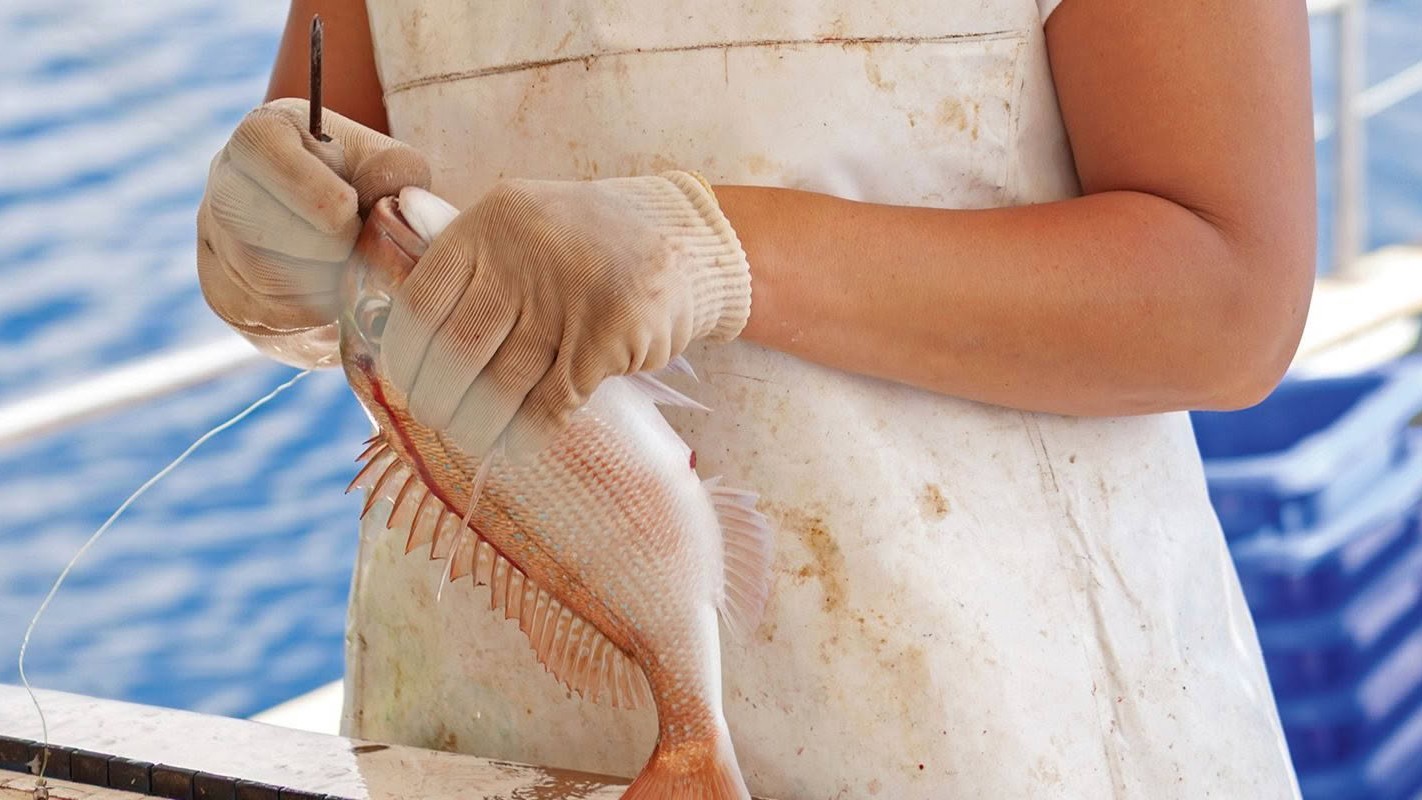
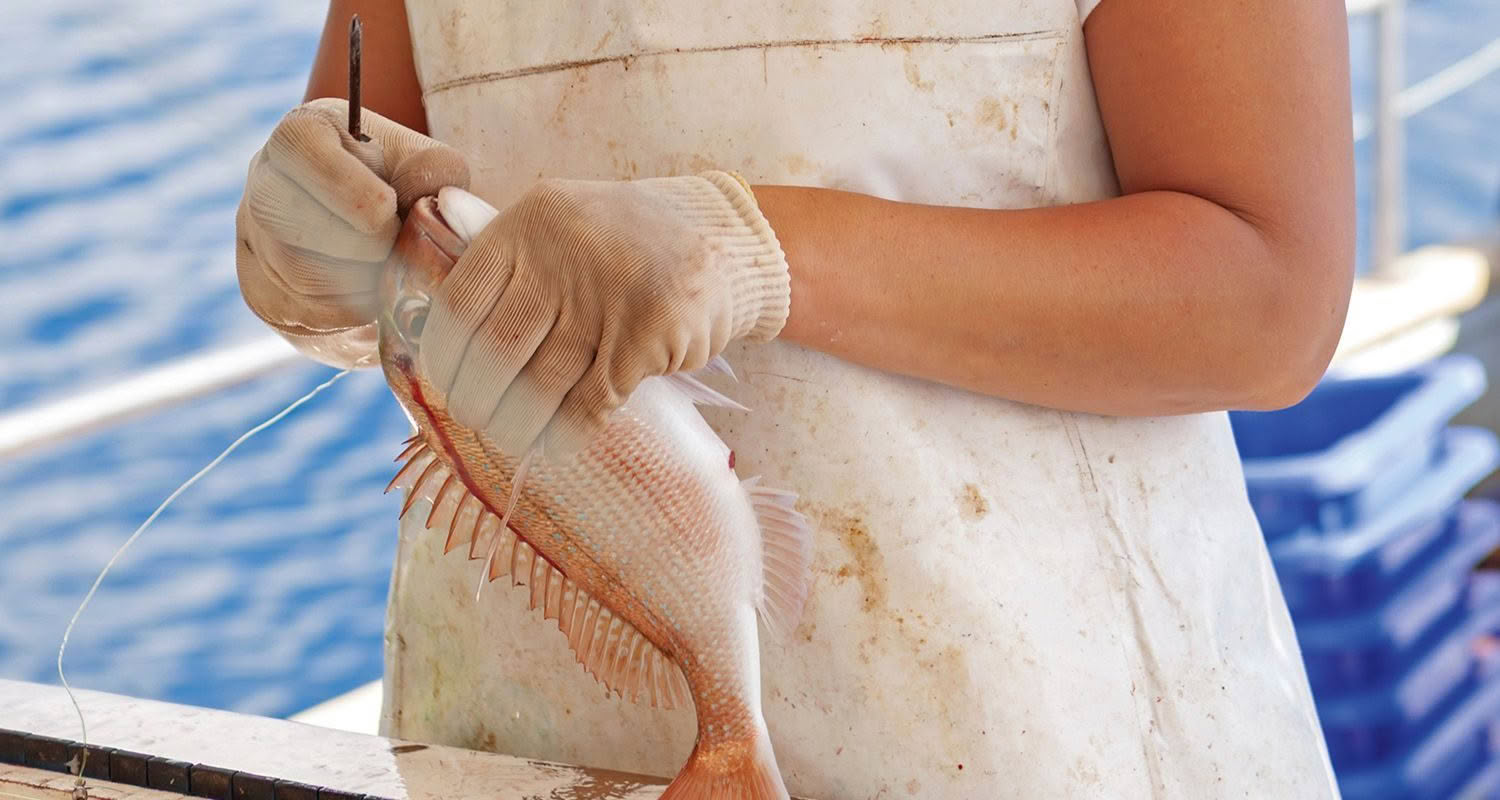
The original model was beautifully simple. Fish left the boat and, often within hours of leaving the water, arrived in a restaurant kitchen. There were no unnecessary stops, no warehouse full of anonymous bins, no distance between fisher and chef. Dock-to-dish sounds commonplace today, but in 2006 it was quietly revolutionary. Looking back, the revolution arrived in chilly bins, in the back of courier vans before lunch service.
Yellow Brick Road’s genius was recognising that seafood wasn’t just a commodity. Every fish carried a story – it had a place, a season, a method of capture and, most importantly, a person behind it. Rachel understood chefs and their desire to know more. Many seafood companies sold fish. Rachel was selling possibility.
Now when the chef’s phone rang, it wasn’t, “We have 10kg of gurnard”; it was, “You should see what came in this morning” and that completely changed the way chefs cooked. Rather than simply ordering snapper, chefs found themselves talking indirectly with fishers about what was available that morning. They learnt to celebrate species that had long been overlooked. Underdogs such as sardines, porae, leatherjacket and gurnard suddenly became objects of curiosity rather than compromise. Whole fish returned to restaurant kitchens. Snapper heads became prized. Nothing was wasted because everything had value. The less-loved the fish, the more chefs wanted to get their hands on it.
Returning from a culinary visit to Japan, where I had developed an admiration for monkfish livers, I asked Rachel to see if she could source some – the foie gras of the sea, which I grandly christened ‘Foie de Mer’. The reply that came back from the fisher via Rachel was unforgettable: “I’m not a f’n surgeon.” The objection was fair. This was a procedure that would need to be undertaken at sea, in large, unpleasantly heavy swells. Of course, Rachel persisted. Eventually the livers arrived. It was ridiculous, absurdly funny and completely typical of the period. Nobody had asked fishers for these things before because nobody imagined there might be value in them.
Rachel managed the same feat with Bluff oysters. Today, chefs casually serving live, in-shell Bluff oysters may not appreciate how unusual that once seemed. For many years, kitchens received them already shucked. Today, serving a pottle of shucked Bluff oysters is almost unthinkable, but back then it was simply how things had always been.
As chefs, we stopped thinking only about what we wanted and started thinking about what the ocean had given us that day. The relationship shifted. We weren’t dictating terms to the sea; we were responding to it.
We also began caring more. That, I think, was Yellow Brick Road’s real contribution. Not that it taught us more about seafood, but that it taught us to care more deeply about it: about the fishers and their whānau; about the young deckhand whose life had been turned around by fishing; about the sustainability of the fishery; about returning proper value to those who did the difficult work of harvesting seafood; about provenance; about seasonality. Mostly, we learned that extraordinary seafood deserved extraordinary respect.
The larger seafood companies noticed, too. Many began telling the stories of their own fishers and investing more heavily in provenance, traceability and responsible harvesting. Small operators found confidence to step forward and explain why the way they fished mattered. The conversation changed and with it, consumer expectations.
Rachel had a knack for bringing chefs together. Long before collaboration became fashionable, she understood that sharing ideas made all of us better. Some of the stories from those gatherings, such as the evening that followed a lunch with Rick Stein, are best left untold.
Rachel and I went on to create Wellington’s City Market, a weekly produce market on the waterfront that celebrated the city’s food heroes. For several years, as part of Wellington on a Plate, we did the Oyster Saloon, a caravan in a car park on Cuba Street. Chefs came along to help shuck, as Wellingtonians shielded themselves from the wind and rain. Then there was Pigfish, the pop-up restaurant that existed for only 13 nights and served our two favourite things – seafood and pork. It can’t have been easy being a vegetarian, but they came anyway. It was a time when anything seemed possible, limited only by our imaginations and energy.
Businesses change hands. Good ideas don’t. As a chef, I’d watched Yellow Brick Road quietly change the way we thought about seafood. Years later, I found myself in the extraordinary position of becoming its custodian. It wasn’t simply the acquisition of a business; it felt like accepting stewardship of an idea that had already reshaped New Zealand’s seafood culture.
Now, 20 years on, we’re still talking to fishers before sunrise. We’re still championing species that deserve more attention than they receive. We’re still delivering seafood with its story intact. We still believe the shortest journey from boat to plate is usually the best one.
The seafood itself has always mattered. But perhaps the greatest lesson of the past 20 years is that the story behind it matters just as much. Yellow Brick Road never set out to change New Zealand’s seafood industry. It simply cared more, and the industry eventually followed.
Once you know who caught your fish, where it came from and the care that went into bringing it ashore, it’s very difficult to think of seafood as anonymous ever again. Today, I know the names of the people who catch my fish. I know the bays where oysters grow. I know which boats fish with care and which fish deserve far more attention than they receive. Twenty years ago, I knew almost none of these things.
Freshness still matters, of course. But freshness is no longer the whole story. It’s simply where the story begins. ybr.nz ■
SEE MORE FROM CUISINE
Give A Man A Fish. . .
Don’t judge a fish by its looks, says Martin Bosley, as the ugly ones…
Issue 233: Give a man a fish…
Kingfish, whether wild or farmed, spells summer to Martin Bosley.